
Chronic Fatigue Syndrome is about more than just being tired. Editor Melissa Holmes speaks to Isabelle Pearcey about living with the condition
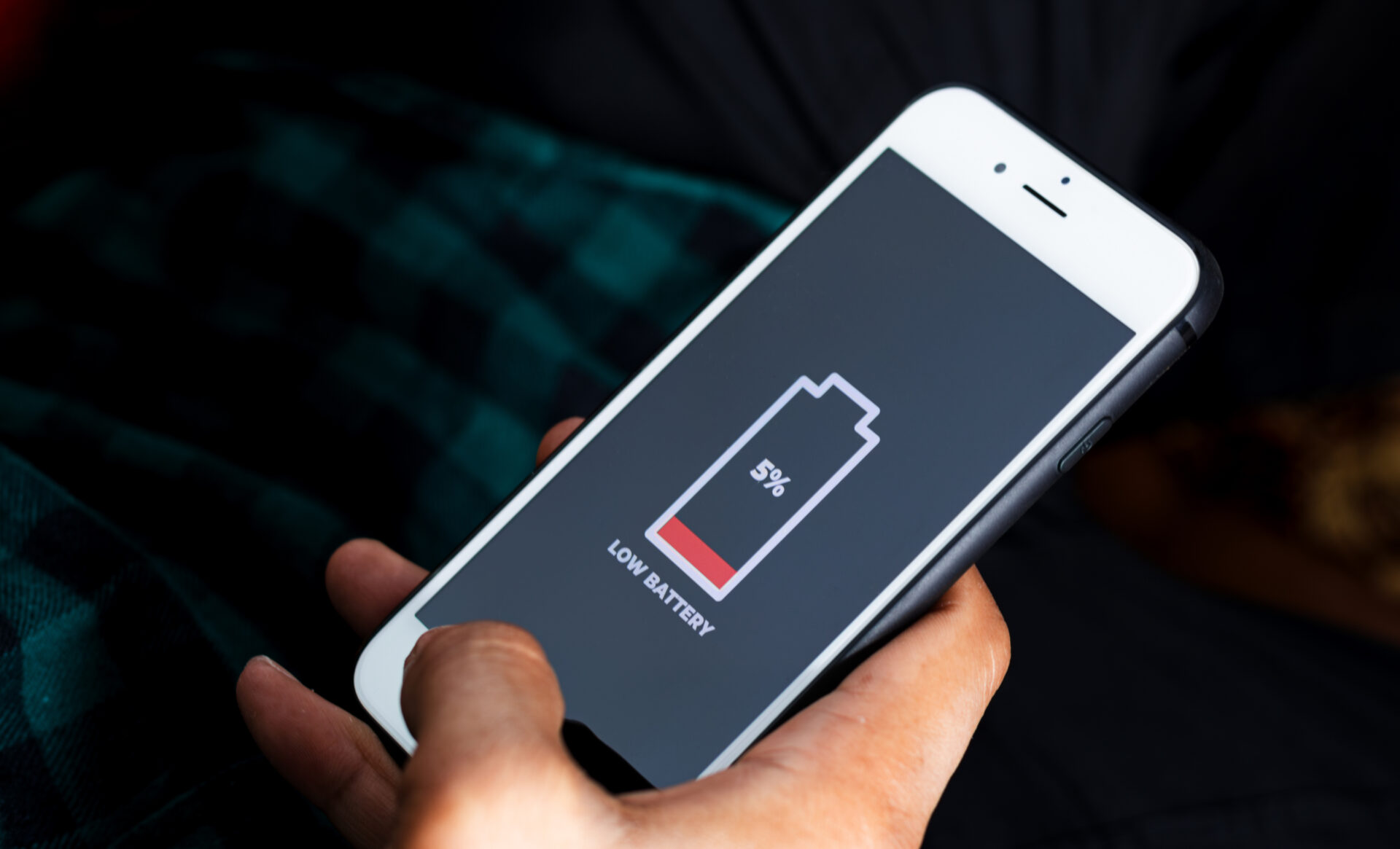
Back in the 80s, we cruelly called it “yuppie flu”. Mainly seeming to affect young, upwardly mobile professionals (“yuppies”), the mysterious illness was characterised by chronic tiredness, and what we’d call burnout today.
Now, we know better. This collection of symptoms – flu-like malaise, problems with sleep, brain fog, profound fatigue, headaches, nausea, joint pain, digestive problems, and sensitivity to light and sound – is understood to be Chronic Fatigue Syndrome, or ME (Myalgic Encephalomyelitis). The NHS and World Health Organisation recognise CFS/ME as a post-viral fatigue syndrome and neurological condition. The classification also encompasses Long COVID, caused by the COVID-19 virus. This affects an estimated 1.8% of the UK population.
GETTING THROUGH EACH DAY
One of those people is Isabelle Pearcey, who contracted COVID-19 in 2021. “I had it for three weeks, thought I was better and went back to work,” explains Isabelle, who worked for a charity at the time. “I managed two days then I was literally bed bound, unable to move my head off the pillow.” She had a telephone consultation with her GP: “They said ‘We think it’s something we’re calling Long COVID, as you haven’t really recovered since having COVID’. They couldn’t help,” she shrugs.
“I was so ill, nothing made sense,” admits Isabelle. “I had cognition problems, so I couldn’t even take the diagnosis on board.” At the time, it was a case of getting through each day. She’d gone from working hard in her role and being a busy mum of two, to barely being able to move for 18 months. “To have all that suddenly taken away from me was a real mind bend,” she says.
Online communities of people with Long COVID provided some support. A positive mindset helped too: “Every day I woke up and, even though I couldn’t lift my head off the pillow, I told myself ‘You’ll be better tomorrow’. The more you say that, the more you believe it.”
BE KIND TO YOURSELF
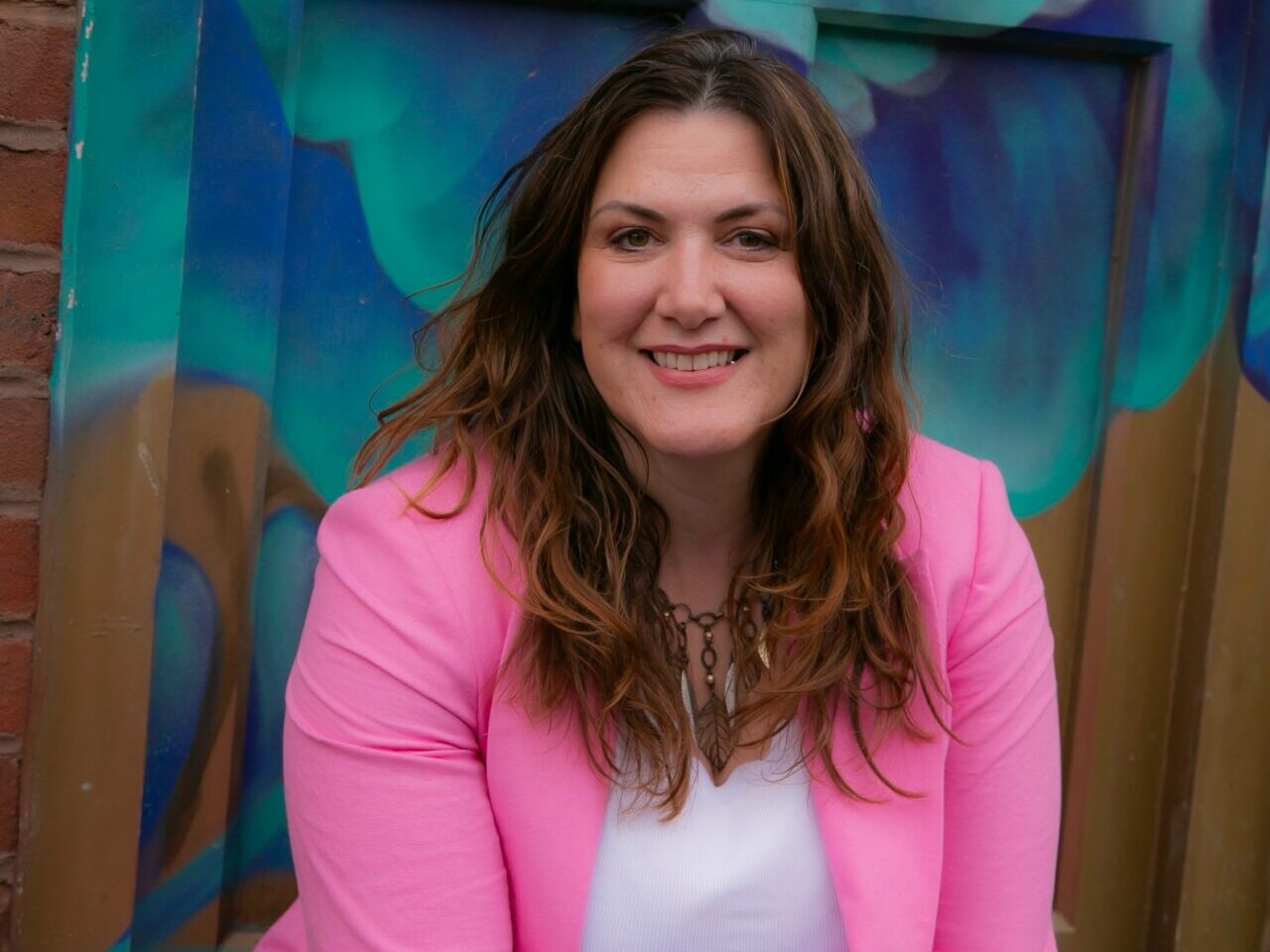
Adjusting her life and her expectations of what she can achieve has been challenging, but Isabelle’s making it work. She launched her own business as an online business manager and virtual assistant in summer 2023 (izzwhizzva.co.uk) and, when she can manage it, her self-care now consists of yoga and sound baths – quite different to the hours of daily weight training she did before developing Long COVID. Adapting to what life is like with CFS/ME is often the hardest part for many people. Isabelle suggests: “Always take longer than you think you need in your recovery phases. Without any current cure or treatment, that’s the best thing you can do.”
It can also be difficult to deal with other people’s expectations. Because Isabelle looks and acts well on her good days, people often assume she is fully recovered. “That’s the whole thing about an invisible disability, isn’t it?” She reflects, “It’s always present, but you get on with life and make the best of it.”