
Samantha Renke on why she’s raising awareness about a crime that’s rarely discussed – the murder of Disabled people by parents, relatives and those entrusted with their care
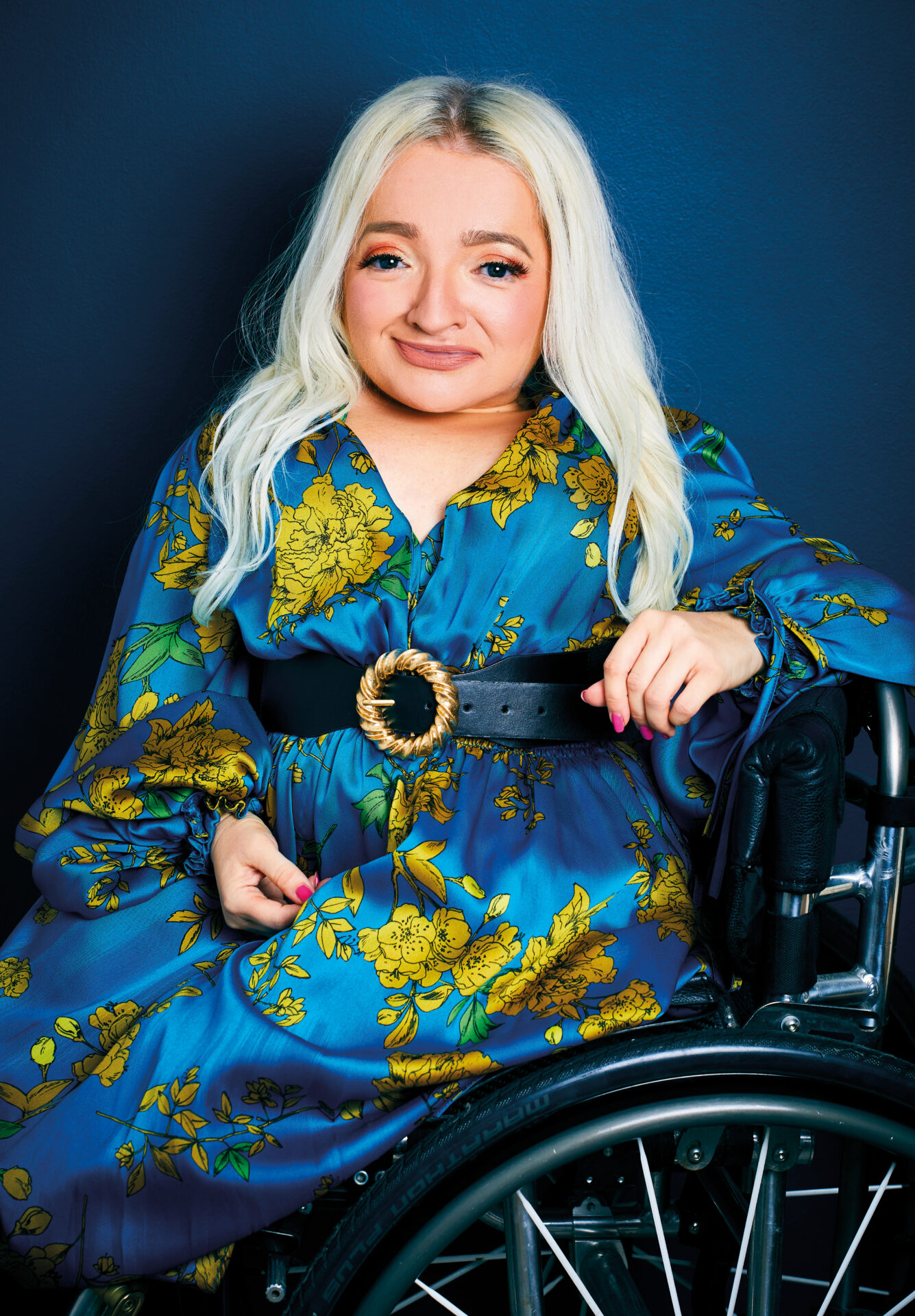
I’m 40, have two cats, love garden centres and am a fan of true crime. A total cliché… But frankly, I don’t care. Because my love of all things true crime has just landed me a gig I’m not only incredibly excited about, but deeply passionate about.
This October, I’ll be chairing a panel at CrimeCon UK in London. But I won’t be talking about serial killers, cold cases or forensic breakthroughs. Instead, I’ll be leading a conversation on a subject that – as far as I’m aware – has never had a platform at an event like this before.
DIFFICULT TOPIC
The murder of Disabled people by parents, relatives and those entrusted with their care is a difficult topic. Yet every year, on 1 March, Disabled communities around the world mark the Disability Day of Mourning, remembering Disabled people who have been victims of filicide.
When I first learned about the Day of Mourning, I couldn’t stop thinking about it. Not just because of the lives that have been lost, but because of the stories we often tell afterwards.
Think about the documentaries you’ve watched or the headlines you’ve read. How often have you heard phrases like “They were under so much pressure”, or “They’d reached breaking point”? How often does the conversation focus on the perpetrator’s circumstances rather than the Disabled person whose life has been cut short? Without realising it, we begin to understand the killer before we’ve taken time to know the victim. That should make all of us uncomfortable.
As a Disabled woman, I know ableism isn’t always loud or obvious. Sometimes it’s hidden in the assumptions society makes about our lives: that we’re burdens, that our lives are somehow less fulfilling, that caring for us is an extraordinary sacrifice. Those narratives don’t just affect how Disabled people are treated while we’re alive. They can also shape how we’re remembered after we’re gone.
SHINE A LIGHT
That’s why this panel feels so important to me. I can’t pretend we’ll answer every difficult question in 60 minutes. But if we can encourage people to think differently about the stories they consume, question the language used in headlines, and remember that every victim deserves equal dignity, then we’ve achieved something worthwhile.
True crime has the ability to highlight injustice. I hope this conversation helps shine that light somewhere it hasn’t been before.
If you also love true crime, I’d love you to join us. CrimeCon has offered Enable readers a 10% ticket discount. Come for the fascinating speakers, and stay for what I hope will be one of the most thought-provoking conversations of the weekend. I’ll see you there. I’ll be the tiny woman asking some very big questions.