
Victoria Jenkins speaks to Kate Stevenson about adaptive fashion, inaccessible design and why style, dignity and self-expression should never depend on your body
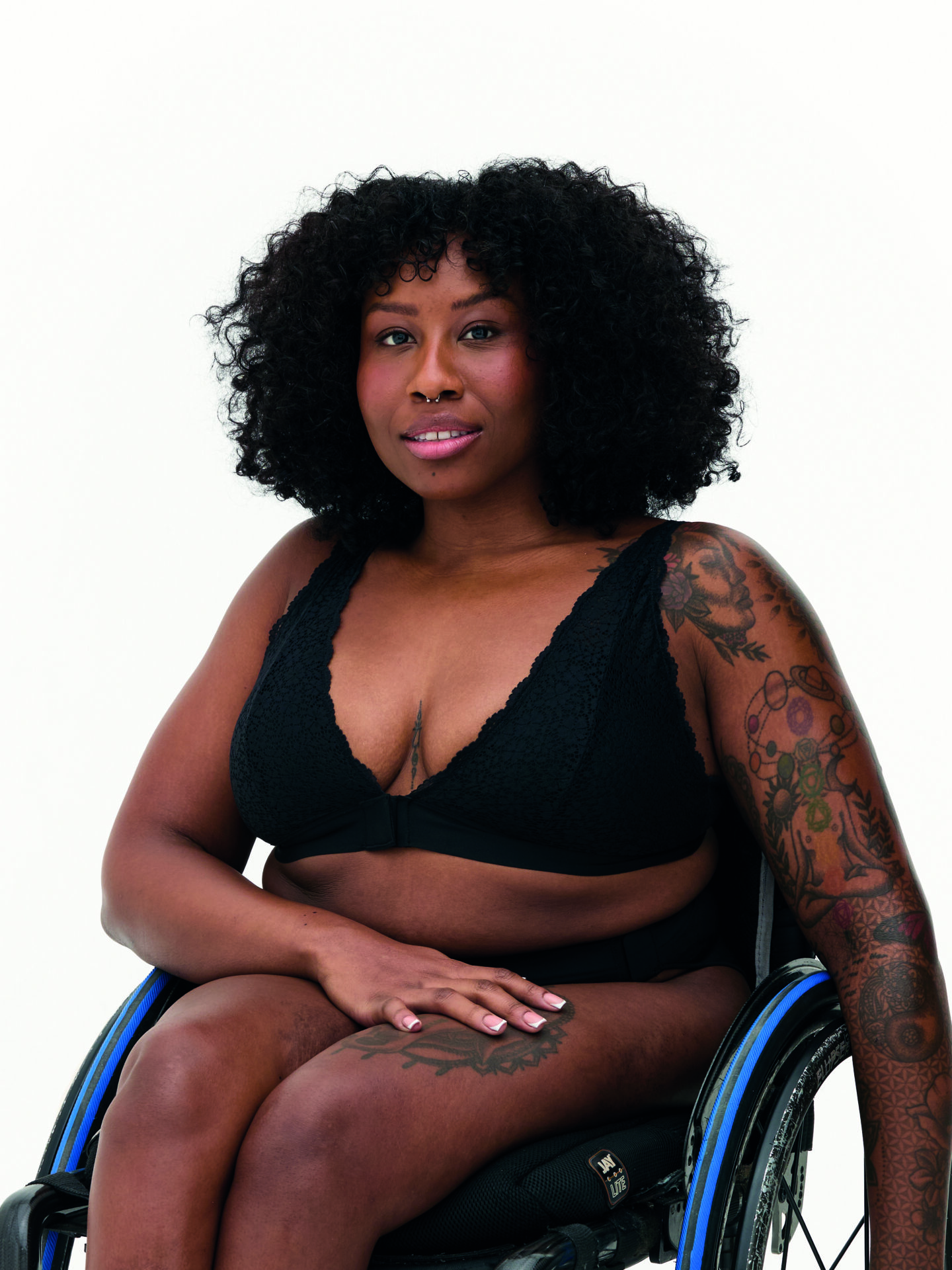
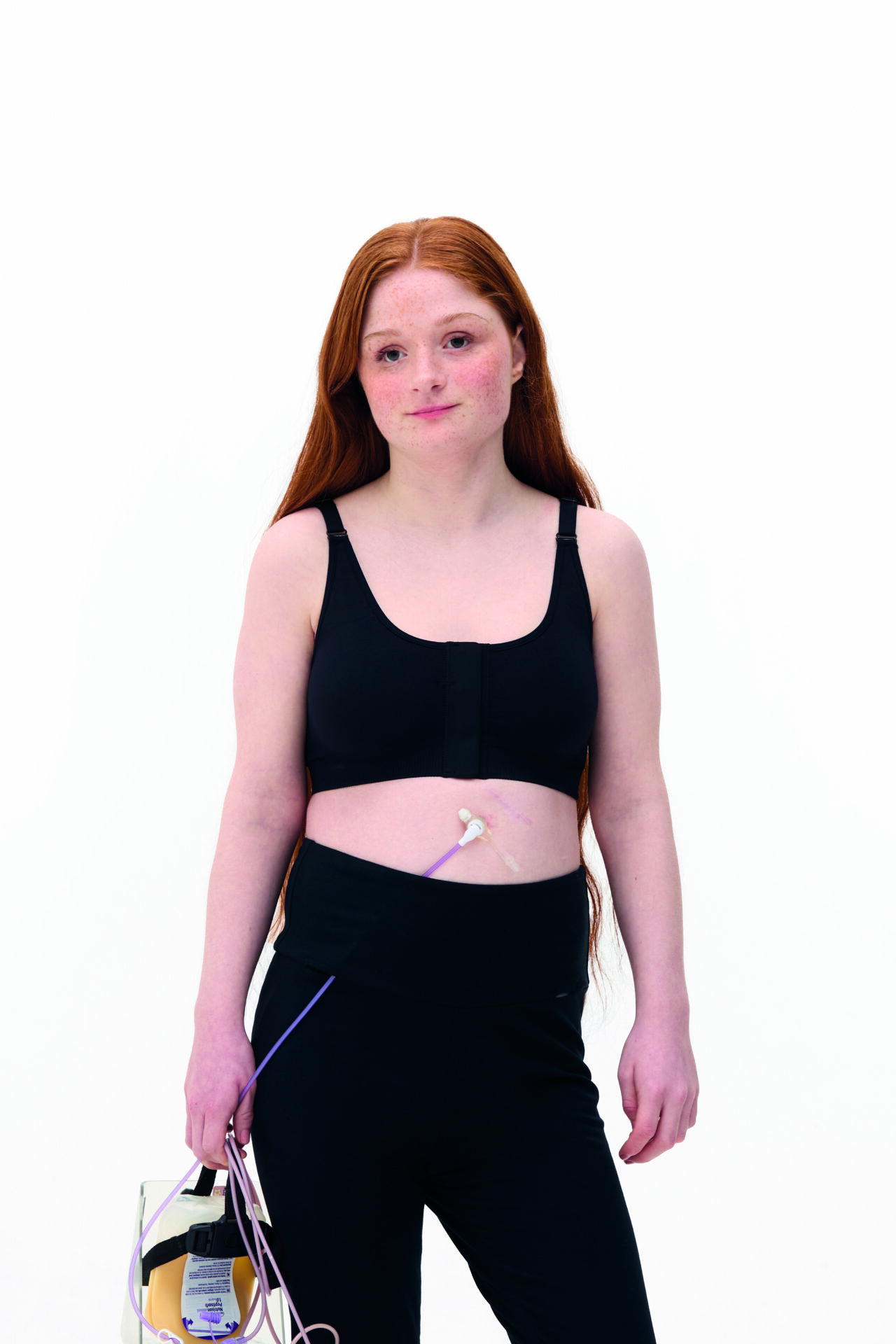
A great outfit can change your mood, confidence, posture, and sense of self. Clothing is our armour, and entire industries are built on the emotional power of getting dressed.
But what happens when your body no longer fits the rules?
When Victoria Jenkins became disabled at 26, fashion stopped feeling expressive and started feeling hostile. After a major surgery, she spent eight weeks in pyjamas and loose clothing, disconnected from the wardrobe she once knew. “It was a shock to go back to it and find that so many things were causing pain and discomfort,” she reveals.
BEHIND THE SEAMS
The fashion industry sells the fantasy that clothing can help us become who we want to be. What it rarely confronts is what happens when getting dressed becomes physically exhausting, painful, or impossible without assistance.
What happens when buttons stop being cute design details and become barriers? When waistbands bruise? When changing rooms are inaccessible? When style itself starts to feel conditional? The list goes on.
Victoria has always seen the darker side of the fashion industry – having worked inside mainstream fashion itself, and since founding her own adaptive fashion label, Unhidden – but she had never felt it like this before. Back then, she says, she didn’t fully see the scale of the exclusion. Now she sees it everywhere: “Accessibility does not exist in fashion retail,” she says.
THE MISSING STITCH
Her eureka moment came in a hospital ward in 2016. Another patient admitted she no longer felt able to dress like herself; she was just dressing to survive. “She felt trapped in a uniform of t-shirts and jogging bottoms,” adds Victoria.
The comment stayed with her. It exposed something deeper than clothing itself. Losing access to fashion often means losing access to identity, spontaneity, and belonging.
Victoria started researching adaptive clothing from her hospital bed, convinced solutions must already exist. Instead, what she found was an industry almost entirely devoid of imagination. Adaptive fashion existed, but often in ways that felt medicalised, stripped back, or aesthetically disconnected from mainstream style. “I wondered if maybe I could bring some colour, print, or a non-adaptive looking aesthetic to the table,” she says.
FASHION FAILS
Disabled people are often offered functionality instead of beauty, or practicality instead of self-expression, as though dignity and style are optional extras.
Victoria rejects that framework entirely: “We deserve to feel stylish,” she says. “Not being able to dress for occasions keeps us out of events either socially or for work.”
She believes that exclusion is rarely recognised as exclusion. It’s difficult for some people to understand how a wedding invitation means something different when formalwear causes pain, or how a beach holiday feels different when swimwear hasn’t been designed for your body. Fashion is social access, and it always has been.
Adaptive design is about removing that friction from daily life without sacrificing identity in the process. That’s why Victoria focuses on ‘hiding’ adaptive features within garments: magnetic fastenings concealed inside cuffs, access points integrated discreetly into silhouettes, designs that work for seated bodies and medical devices without visually separating the wearer from mainstream fashion.

BUTTON IT
That philosophy has helped propel Unhidden from an independent label and onto the runway at London Fashion Week. More recently, it’s seen Victoria work on a major collaboration with Primark. The significance of that partnership goes beyond visibility.
“There’s no getting away from the subject of cost,” admits Victoria. “Bringing affordable adaptive clothing to 10 countries and 96 stores gives those who can’t afford adaptive design from smaller businesses some options and some choice. It also signals to other brands that it is financially viable.”
And she says fashion houses repeatedly make the same mistake when attempting adaptive collections: they fail to meaningfully involve disabled people in the design process from the start. “I can spot the faults in the design from a photo,” continues Victoria. “It tells me they didn’t consult with anyone during development, or until it was too late to make changes.”
Too often, disability is treated as a trend forecast or marketing category rather than a lived experience. Real inclusion, argues Victoria, would mean disabled people are embedded throughout fashion and retail, not positioned at its edges. “Hire us,” she says, simply.
Because accessible fashion is not really about clothing alone: for decades, fashion has framed disabled people as people to design around. Victoria is part of a generation insisting on something far more radical: design with us, design for us, design as we belong here too.
“I never thought I’d see adaptive fashion on the high street in my lifetime, and that happened, so I cling on to hope that the above is possible,” she pauses, “We are just very, very far away from it.”