
Often considered an ‘old person’s disease’, Parkinson’s affects people of every age. To mark Parkinson’s Awareness Month in April, we learn more about the condition, which impacts around 166,000 people in the UK
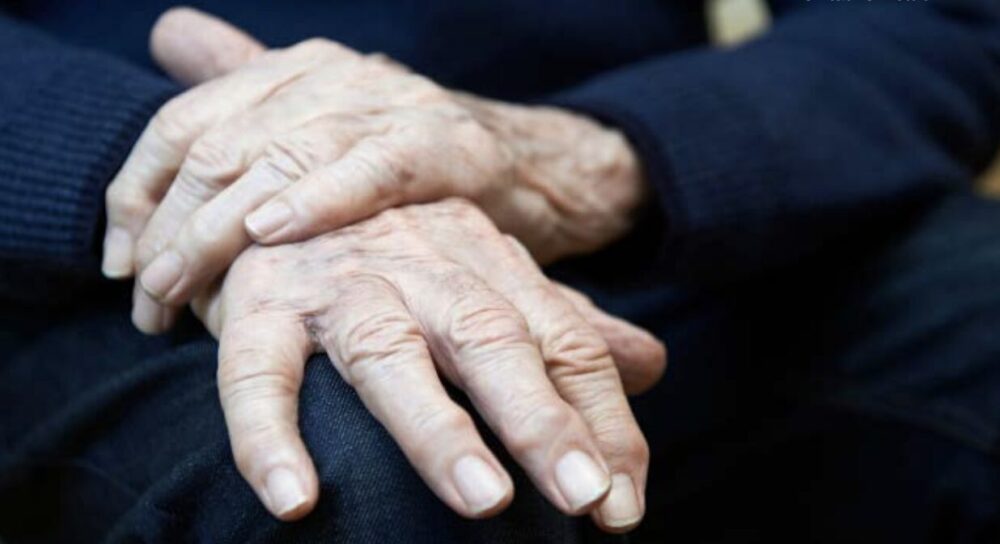
As a progressive neurological condition which has no cure, a diagnosis of Parkinson’s may seem like a life sentence. Commonly causing tremors (shaking), slowness of movement and rigidity (muscle stiffness), other symptoms can include balance issues, pain, fatigue, sleep problems, anxiety, depression and cognitive change. Although it’s often viewed as an old person’s disease, it can impact all ages. One in three people diagnosed are of working age (under 67), while one in 16 are under 50 (it’s known as young onset Parkinson’s in this group).
However, a growing number of people living with the condition are showing that life with Parkinson’s can be well lived. Perhaps the most famous person living with Parkinson’s is actor Michael J. Fox. His tireless work to raise awareness and support research into the condition, along with his positive optimism around managing it, has done wonders for public understanding of Parkinson’s. Since its launch in 2000, the Michael J. Fox Foundation for Parkinson’s Research has become the world’s largest nonprofit funder of Parkinson’s research – to date it’s raised more $2.5 billion and moved scientists closer to a cure.
HOW DOES IT HAPPEN?
Parkinson’s is caused when the dopamine-producing nerve cells in the brain start to die. Dopamine is involved in controlling movement, motivation and mood, which is why the condition affects both physical and non-motor symptoms. Symptoms vary widely from person to person, and the condition progresses at different rates, so treatment and management need to be individualised and flexible.
There are a number of effective medicines in use to treat Parkinson’s, including ones that mimic dopamine and help ease the physical impact of the condition. The lead singer of Del Amitri, Justin Currie, was diagnosed with Parkinson’s in 2024, when he was 59. Initially he feared it was ‘stealing his personality’, but he’s recently told the press he feels like a fraud because his condition has improved so much since he started taking medication for it, saying it’s given him a “new lease of life.”

LIFESTYLE CHANGES
When it comes to improving symptoms, medication goes hand in hand with lifestyle changes. Dietary changes can help you stay energised and healthy, while also improving symptoms like constipation. Staying hydrated, and eating whole foods like fruits and vegetables, lean protein, beans and legumes, and whole grains, will boost your ability to deal with Parkinson’s symptoms. Be careful when consuming protein-rich foods though – protein can affect the absorption of some medications, so it’s best to speak to your Parkinson’s nurse about this.
According to Parkinson’s UK, physical activity can be as important as getting the right dose of medication, and the more physically active you are – the more you push yourself – the easier it is to live well with Parkinson’s. “Movement,” says Denise Padilla-Davidson, a Johns Hopkins physical therapist, “especially exercises that encourage balance and reciprocal patterns [movements that require coordination of both sides of your body], can actually slow progression of the disease.”
You only need to look to people like Jimmy Choi to see the importance of exercise. As a three times fitness world record holder and ultramarathon runner, and having appeared in American Ninja Warrior several times, Jimmy is showing people how much exercise can change the trajectory for someone diagnosed with Parkinson’s. He was diagnosed age 27 and, after falling down some stairs while using a cane several years later, he realised he had to do something to take control of his symptoms. Now age 51, he’s the epitome of vitality, using his social media platforms to share his message of positivity, and the importance of exercise and mindset.
REGAIN CONTROL
Of course, you don’t need to train to Ninja Warrior level to help manage Parkinson’s symptoms: anything that gets your heart pumping, uses your brain and keeps you moving can help slow down the progression of the condition. Exercise can offer a sense of control over your body and help you rebuild trust in it, especially if you’ve had a fall or been inactive for a while. And let’s not forget how beneficial movement is for mental health – especially when depression and anxiety are common for people with Parkinson’s.
Even gentle movements can boost your mood and help you live well with Parkinson’s, so why not look out a class to attend? Parkinson’s UK offers a database of activities tailored for people with the condition, including dance, walking football, table tennis and gym sessions. Visit localsupport.parkinsons.org.uk to find classes near you, or even attend virtual sessions online.
Physical classes can also help your emotional wellbeing, helping you stay connected with friends (or make new ones), while additional support like counselling, creative activities or peer support groups will help you feel less isolated and process your emotions around having Parkinson’s, since it can bring all sorts of feelings around grief, anger and confidence.
Taking this three-pronged approach – medication to improve symptoms, exercise to protect function and boost confidence, and diet to support energy and overall health – creates a great foundation for living well with Parkinson’s. Because Parkinson’s may change how a person moves through the world, but with the right support, knowledge and resources, many people continue to live full, active and meaningful lives.