
This April is World Autism Acceptance Month. Editor Melissa Holmes learns more about how people with lived experience are working to improve society’s understanding of neurodivergence.
Since Enable magazine launched 15 years ago, we’ve seen a huge shift in awareness around autism – it’s seen less as a ‘disorder’ or illness, and is more understood as a unique way of thinking. Autism has become a mainstream issue, with celebrities like Chris Packham and Melanie Sykes sharing their autistic status, plus social media opening up conversations around neurodivergence.
But there’s a long way to go. The number of autistic people in inpatient facilities in mental health hospitals has increased over the past decade. And who can forget the comments two years ago from a group of Warwickshire councillors who said SEND children are “just really badly behaved” and “need some form of strict correction”?
BREAKING BARRIERS
According to the National Autistic Society, 55% of autistic people avoid going out because they’re worried how people will treat them. Finding a safe space where you’re free to be yourself can really boost confidence.
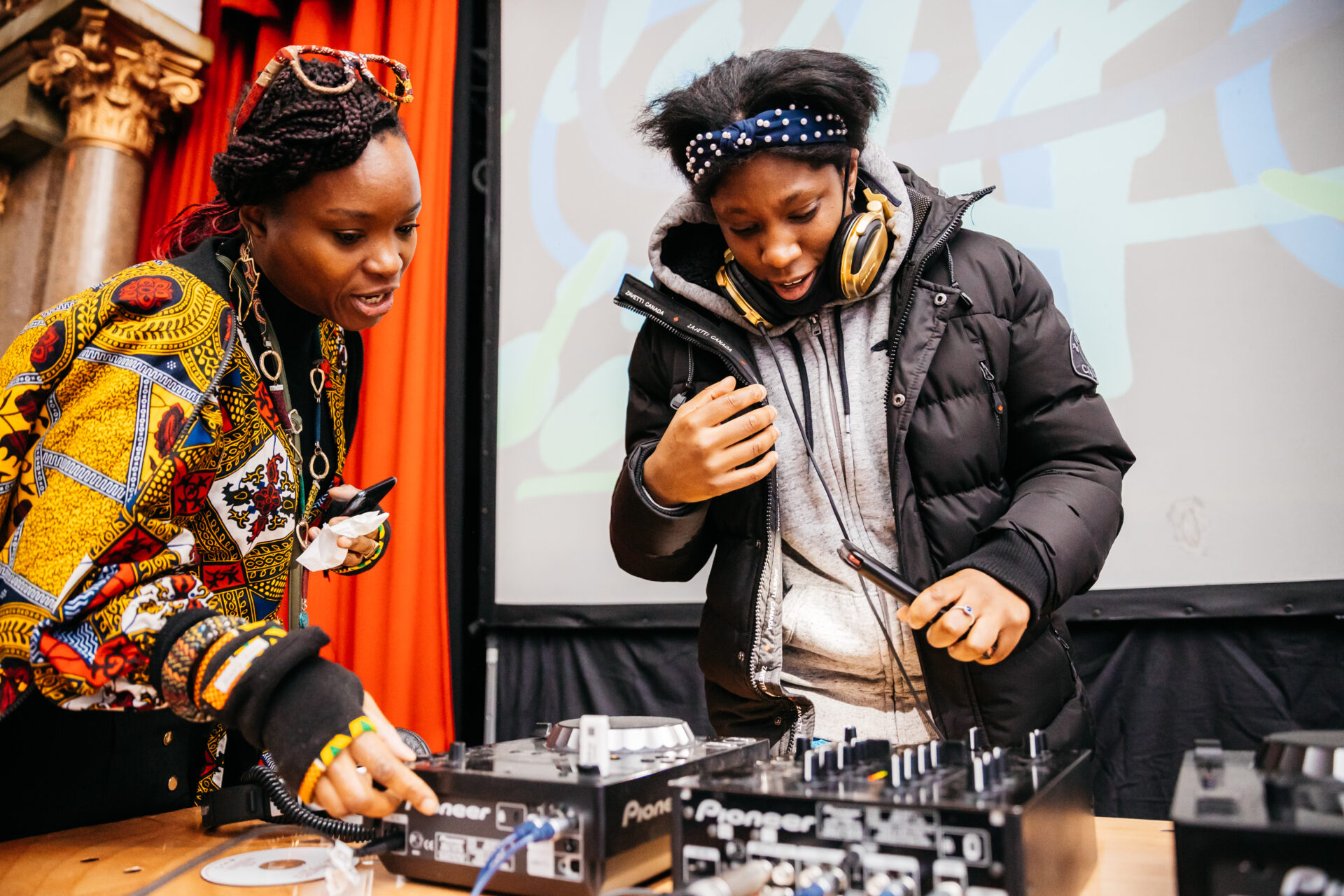
Music has always been a powerful force in society, helping to bring people together and break down barriers. Club Soda promotes opportunities and supports inclusion for learning disabled and autistic people: the charity has hosted gigs and club nights, supported people to follow their musical passions as DJs and band members, and is launching a Change the Scene UK-wide tour to unite learning disabled and neurodivergent musicians, DJs and crowds in inclusive spaces at club nights and established music festivals.
“We always aim to run our events in mainstream spaces, so we’re really visible,” explains director Olly Tipper. “While the majority of people who come into our space are autistic, learning disabled or a supporter or carer, there are also people that don’t have anything to do with the scene; non-disabled people who are integrating. We talk about normalising difference. We’re shifting culture, which is the target of Change the Scene.”
As well as getting more performers on stage, Olly’s aim with Change the Scene is to raise the profile of the artists Club Soda supports. “I want them to be spotted or seen, or their music enjoyed and downloaded; I want to see them being offered gigs. We want our events to be a place of joy and happiness, for people to feel included and part of the mainstream. It’s levelling the playing field: that’s what we hope the tour will help us achieve.”
LEVEL PLAYING FIELD
A level playing field is something the autistic community wants to see – especially when stats reveal that just 30% of autistic people are in any sort of employment. Dan Hall is hoping to change that. As the founder of Neurodiversity in Business, he’s pushing for change so Josh, his non-speaking autistic son, won’t face barriers to employment – or anything else – as he grows up.
“We need to change the world around him, rather than Josh needing to change,” explains Dan. “When I was growing up, these kids were institutionalised. They were deemed not worthy of an education. It’s about making sure society sees him – in all parts of society.”
DON’T LIMIT OUR EXPERIENCE
Non-speaking people like Josh are often underestimated, but Dan emphasises: “Non-speaking does not mean non-thinking.” He wishes people would stop making assumptions about his son’s competence. Josh can read and write, and uses a talker to communicate, as well as spelling out words using the alphabet tattoo on Dan’s arm. “We have a rush to give these kids a limited experience,” reflects Dan. “They can’t do this, it’s not going to be possible, and so on. The reality is we need to be listening better – rather than them having to change what they’re doing. If we’re attuned to what they’re trying to communicate, they may actually be capable and enjoy doing a lot of things we prohibit them from doing.”
Dan uses his social media platforms to share his message of understanding and acceptance. He and Josh visit places of worship as part of their Cake Not Hate campaign, and promote the use of AAC technology to enable non-speaking autistic people to become integrated into communities, workplaces and schools.
Dan’s clear when it comes to what organisations should be doing to improve inclusion of autistic people in employment: “The three priorities should be listen, listen, and then listen. What I’m hearing from autistic people is that they’re really keen to remove the stigma we still have around autism,” reveals Dan. Asking to leave the office early to pick up your child has become normalised, particularly post-Covid. “What isn’t normalised is me sticking my hand up in a meeting and saying I’m not feeling the meeting. I and others still feel very uncomfortable putting our hands up to say we’re processing information differently.”
Dan is being assertive in public and through his work with Josh. “Don’t tell me what my boy can’t do. Let’s have a try and then adapt if it doesn’t work,” he says, firmly. Olly is also pushing for change, and knows improving access for neurodivergent people will benefit everyone: “By making your infrastructure more accessible, having quiet chill-out spaces, multiple wider access points – there’s an acceptance that it’s super important now. Audiences will appreciate you more if you go the extra mile and consider everybody’s access needs.”
