
A simple in-house thermal demo showed that Carbon’s 3D-printed lattices shed heat far more effectively than foam
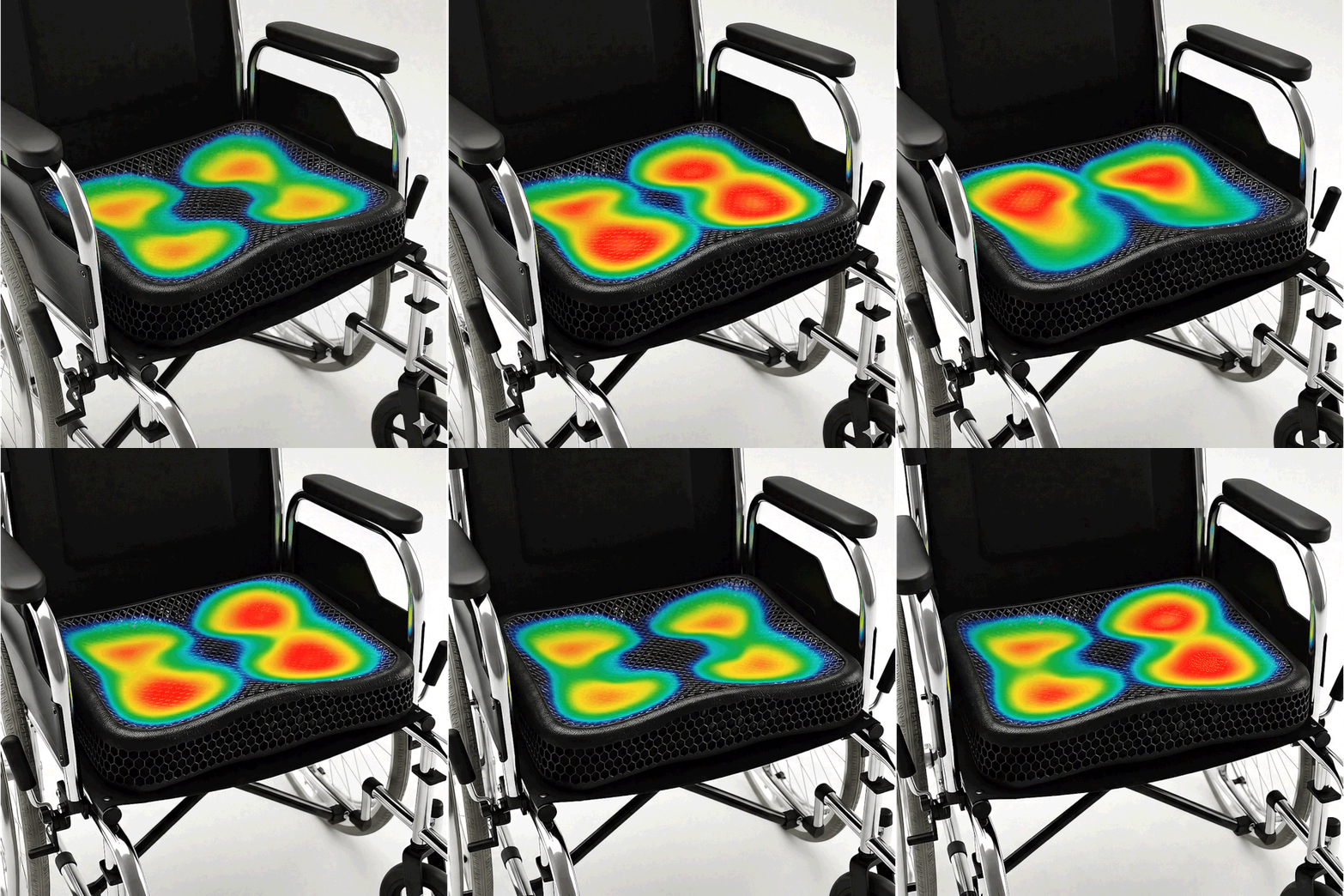
At Carbon, we often hear that our 3D-printed cushions feel cooler and more breathable than traditional foam. That feedback got us curious — how much cooler, really? So we decided to find out for ourselves.
This wasn’t a formal lab study — just a fun, in-house demo powered by curiosity, a thermal camera, and one 3D-printed butt.
The Setup
We designed and printed a butt-shaped container using UMA 90 resin, built to ISO 16840 standards. The inside was hollow and watertight so we could fill it with hot water.
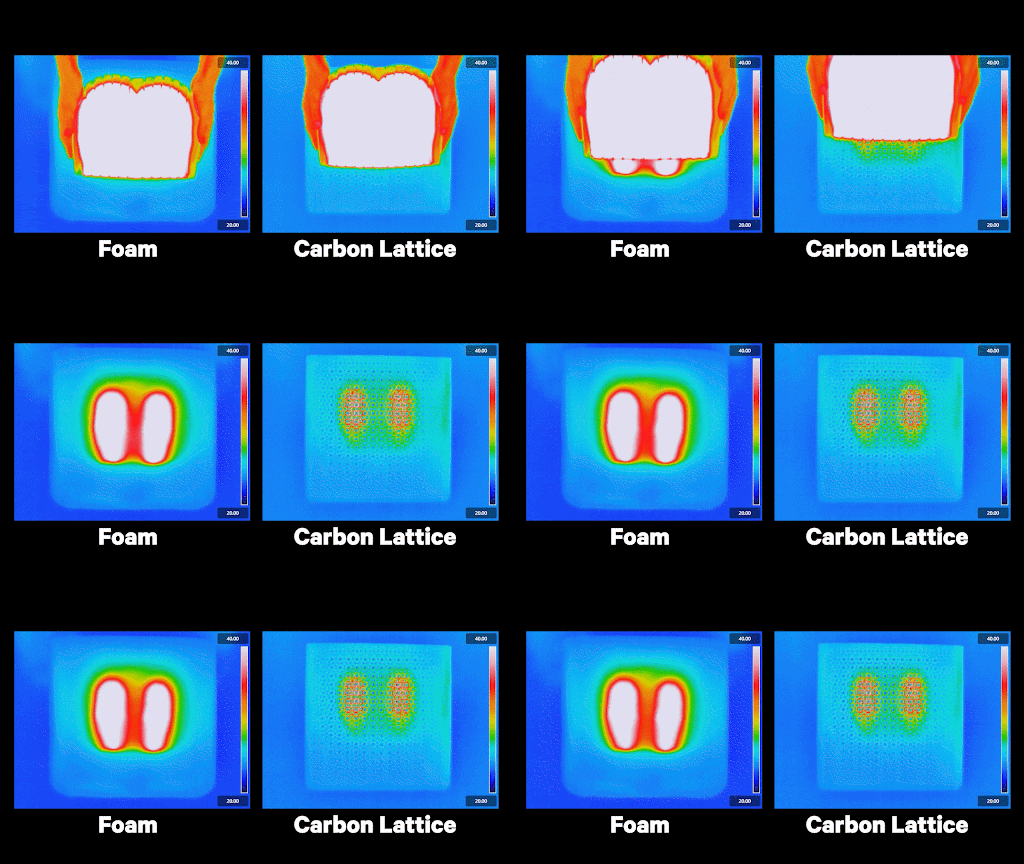
We heated the water to 140°F (60°C) and placed the model on different wheelchair cushions for one minute each. Every test used the same temperature, volume, and timing for consistency.
What We Saw
Using an infrared camera, we watched the temperature profiles change in real time. The difference was striking: the 3D-printed cushion showed a much smaller heat signature and significantly lower peak temperatures than foam cushions.
In other words, it didn’t trap heat.
Why That Matters for Clients
For people who sit for long periods, excess heat buildup isn’t just uncomfortable — it’s clinically important. Trapped heat and moisture can lead to sweating, skin irritation, and even pressure injuries over time.
Because Carbon’s 3D-printed lattices are open and air-permeable, they allow heat to dissipate quickly and encourage airflow around the skin. That means a cooler, drier microclimate and potentially a lower risk of moisture-related skin breakdown.
It’s a simple demo, but it reinforced what clinicians already know: temperature regulation is an often-overlooked part of comfort and skin protection.
The Takeaway
We may not have worn lab coats, but this little experiment helped us see — quite literally — how material design can influence clinical outcomes.
At Carbon, we’re continuing to explore how advanced materials and data-driven design can help OTs and clinicians deliver better outcomes for wheelchair users — one comfortable seat at a time.