
Two sisters turned one frustrating conversation about dating into an app designed for disabled people. They tell Kate Stevenson about their goal to help users find connection without stigma.
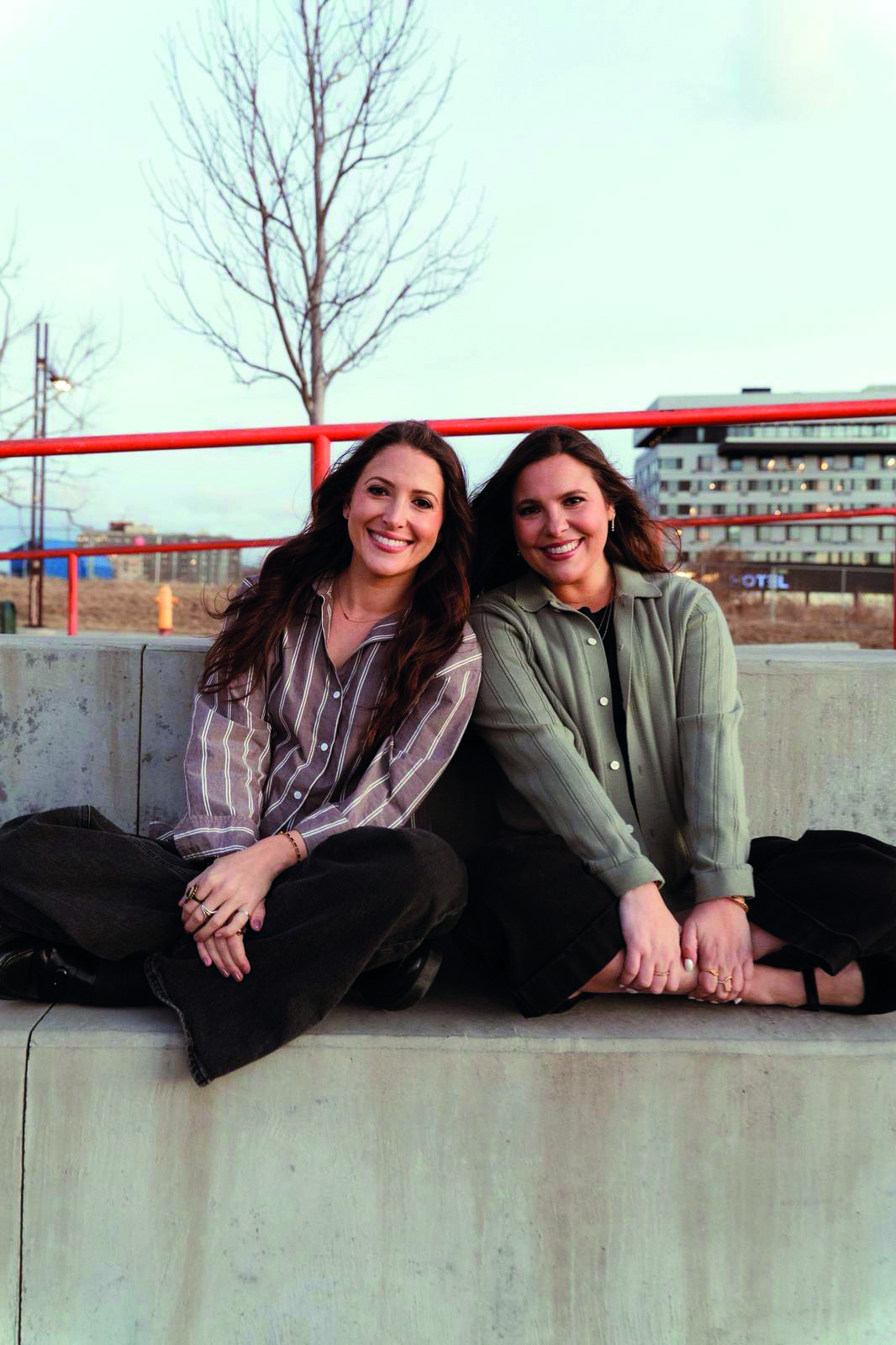
In 2021, Jacqueline Child was sitting with her sister, Alexa, talking about something that had started to feel heavier than it should: dating.
Jacqueline, who has lupus, rheumatoid arthritis, gastroparesis and trigeminal neuralgia, had just been told by her medical team that she needed a feeding tube. It was the right decision for her health, but she couldn’t stop thinking about what it would mean for her love life. She’d already spent years navigating rejection on mainstream dating apps. Now she wondered how people would react when her disability became even more visible.
“I just wish there was somewhere I could meet people like me,” she confided in her sister.
Alexa didn’t hesitate. “Then let’s build it.”
That conversation became the beginning of Dateability, a dating app designed for disabled and chronically ill people. What started as a moment of frustration between sisters has become a platform used by thousands of disabled and non-disabled people who are seeking genuine connection without stigma.
DISABLED AND DATING
Jacqueline’s dating app experience began after she graduated from college in 2016. Like many people her age, she downloaded the most popular platforms and hoped for the best. What she found instead was discrimination and rejection.
“I signed up for all of the traditional mainstream dating apps, and I experienced a lot of ableism, discrimination, toxicity and rejection,” she reveals. “It really ended up affecting my self-esteem and my perception of disability and chronic illness.”
Jacqueline also often felt she couldn’t be honest about her life: “I was never able to fully be myself on these dating apps,” she admits. “I would hide the fact I had a disability until I needed to tell someone.”
That moment usually came when a match suggested a very active date, or when she had to explain a medical limitation. The reactions were often painful: “It almost always ended up in offensive comments,” she says. “People telling me I shouldn’t ever have kids, or that dating me would be a burden.”
Over time, this pattern unsurprisingly left Jacqueline feeling she could never be fully honest. “It was very difficult. I felt like I wasn’t able to fully express myself because I had to hide this big part of me,” she explains.
Alexa watched it all unfold. She’s not disabled, but she noticed the stark difference in their experiences. “I felt like Jacqueline had all these obstacles to face, and they were really unfair and really discriminatory,” she remembers. “To me, the solution felt obvious.”
ONE IMPULSIVE DECISION
The sisters didn’t spend months building a business plan. They just decided to try. “It was honestly an impulsive decision to start creating Dateability,” reveals Jacqueline.
They started with pen and paper, sketching what the app might look like. Jacqueline moved the ideas into Photoshop, started creating mock-ups and designed the logo herself. Alexa, who works as an attorney, handled the legal side. She dealt with trademarks, incorporations, and the administrative work required to launch a company.
Their roles fell into place naturally. “Alexa has a lot of ideas, and I’m better at executing those ideas,” adds Jacqueline.
SHARE YOUR DEETS
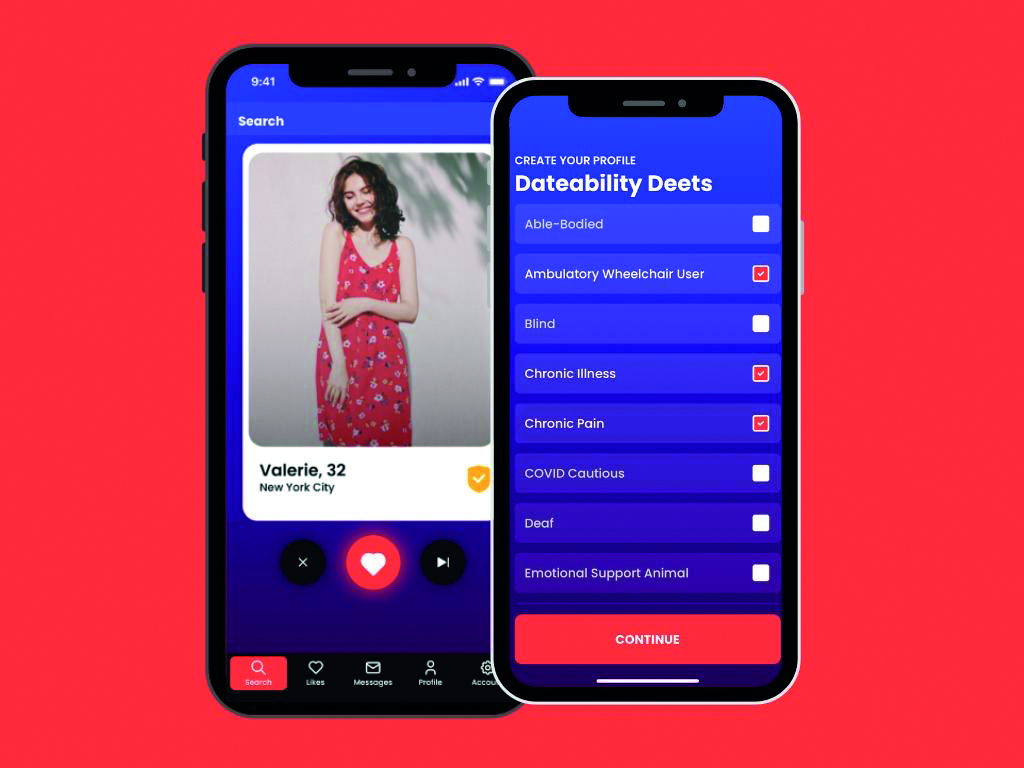
One of their biggest decisions was how users would disclose their disabilities. In the end, they decided not to require medical proof. “Requiring a diagnosis or some sort of proof would not only pose privacy concerns, but it also takes a lot of effort,” explains Jacqueline. “I’m not sure many people would be comfortable asking a doctor for a doctor’s note to join a dating app.”
Instead, they created a section called ‘Dateability Deets’, with broad, optional descriptors. The idea was to enable people to share information on their own terms: “It allows people to disclose neutrally and naturally. It shows up on your profile alongside the information you choose to include, like your school or your political views.”
They also chose to keep the app open to non-disabled users who are comfortable dating within the community. Around seven to ten percent of the user base falls into that category. “We want everyone who’s not having luck on the other apps to feel welcome,” Alexa smiles.
LOVE WITHOUT LIMITS
Not everyone understood the concept at first. Some investors suggested the sisters should turn the platform into a friendship app rather than a dating one. To them, that revealed a deeper issue: “Intimacy and disability make people uncomfortable,” explains Jacqueline. “It just goes to show how disabled people are infantilised and totally misunderstood.”
Despite this attitude, the first success story arrived quickly. Within a month of launching, a couple who met through Dateability started dating. “They’re still together three-and-a-half years later,” Jacqueline says. “So the proof is in the pudding. We are building something that’s working.”
And it all started with one transparent conversation between sisters, and the decision to turn it into something real.