
It may be the city of love and light, but is it open to everyone? Editor Melissa Holmes reports back from a trip to Paris with her top tips and favourite accessibility hacks to help you enjoy France’s capital
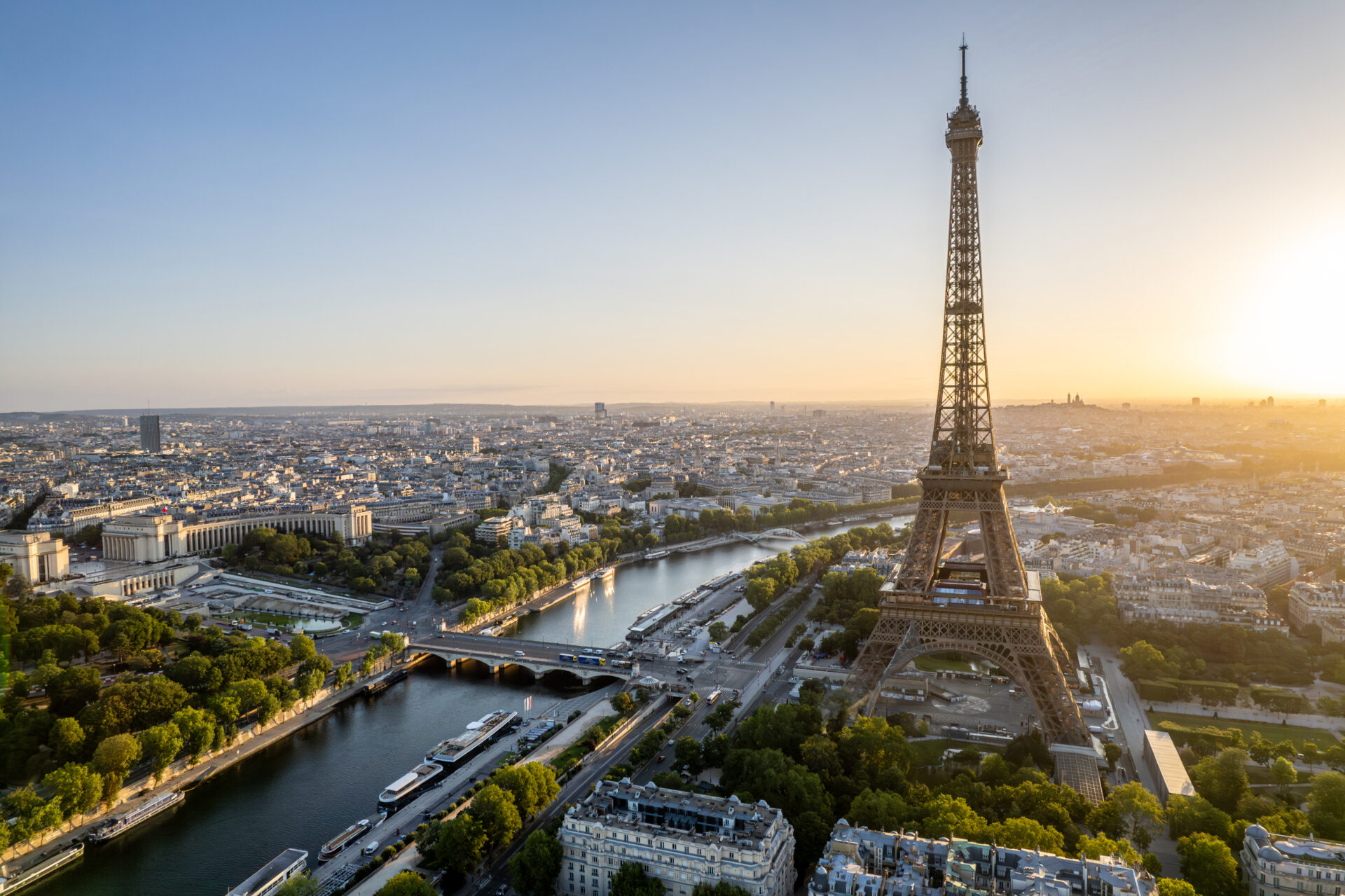
We’ll always have Paris… So goes the famous quote from Casablanca. But do we all have Paris? The famous city – with its historic buildings, crowded cobblestone streets, and popular cultural attractions – doesn’t appear to be the most accessible capital at first glance. But scratch below the surface, and you’ll find 2024’s Paralympic Games left a legacy that’s led to a whole raft of accessibility solutions, making Paris a great destination for disabled people.
Before the Paralympics, Paris invested €125 million from city funds and €1.5 billion from national initiatives to overhaul public spaces, transport, and cultural venues for disabled residents and visitors. And it shows.
From the city’s incredible art galleries offering accessible solutions and tactile tours, to the iconic Trocadero with its national theatre of dance showcasing innovative and inclusive performances, or gastronomic delights at bistros staffed by disabled people, I was recently lucky enough to experience it all. I was blown away by the friendliness of the people, and by the efforts the city has made towards inclusive tourism.
ALL IN ONE APP
Having the right information in advance is vital so disabled travellers can get around with confidence. That’s something the city’s tourist office – Paris je t’aime – has thought about when designing its app. With a dedicated section for disabled visitors, you can filter searches for different attractions depending on your location and your specific disability, to show you concerts, jazz festivals, art fairs and the like.
The app also highlights accessible walks, the latest news on adapted activities, and accessible public bathrooms, even letting you book cabs, adaptive bike rental, or luggage delivery. The tourist office worked with disabled people’s organisations to deliver an app that’s kept up-to-date and accurate – there’s even a dedicated assistance hotline.
GETTING THERE
I arrived via Paris Charles de Gaulle (CDG), a huge airport to the north of the city. Both CDG and Orly (south of Paris) offer support to disabled travellers. Getting into Paris from either airport is straightforward. With some 1,000 wheelchair accessible taxis in the city, plus flat fares from each airport, taxis are a good option (it’s €65 for a cab from CDG to the south of the River Seine at any time, for instance).
Trains are also an option, with six stations in Paris, and the Eurostar journey from London taking just two hours and 15 minutes. Train operator SNCF’s Accès Plus service (sncf-voyageurs.com/en) makes travelling by train easier for disabled people – book between 15 and 24 hours in advance before your departure.
GETTING ABOUT
Like any big city, getting around Paris is not without its challenges. The world famous underground system is not accessible if you’re someone with limited mobility but, happily, the city’s entire bus system is, as well as many of its tram routes.
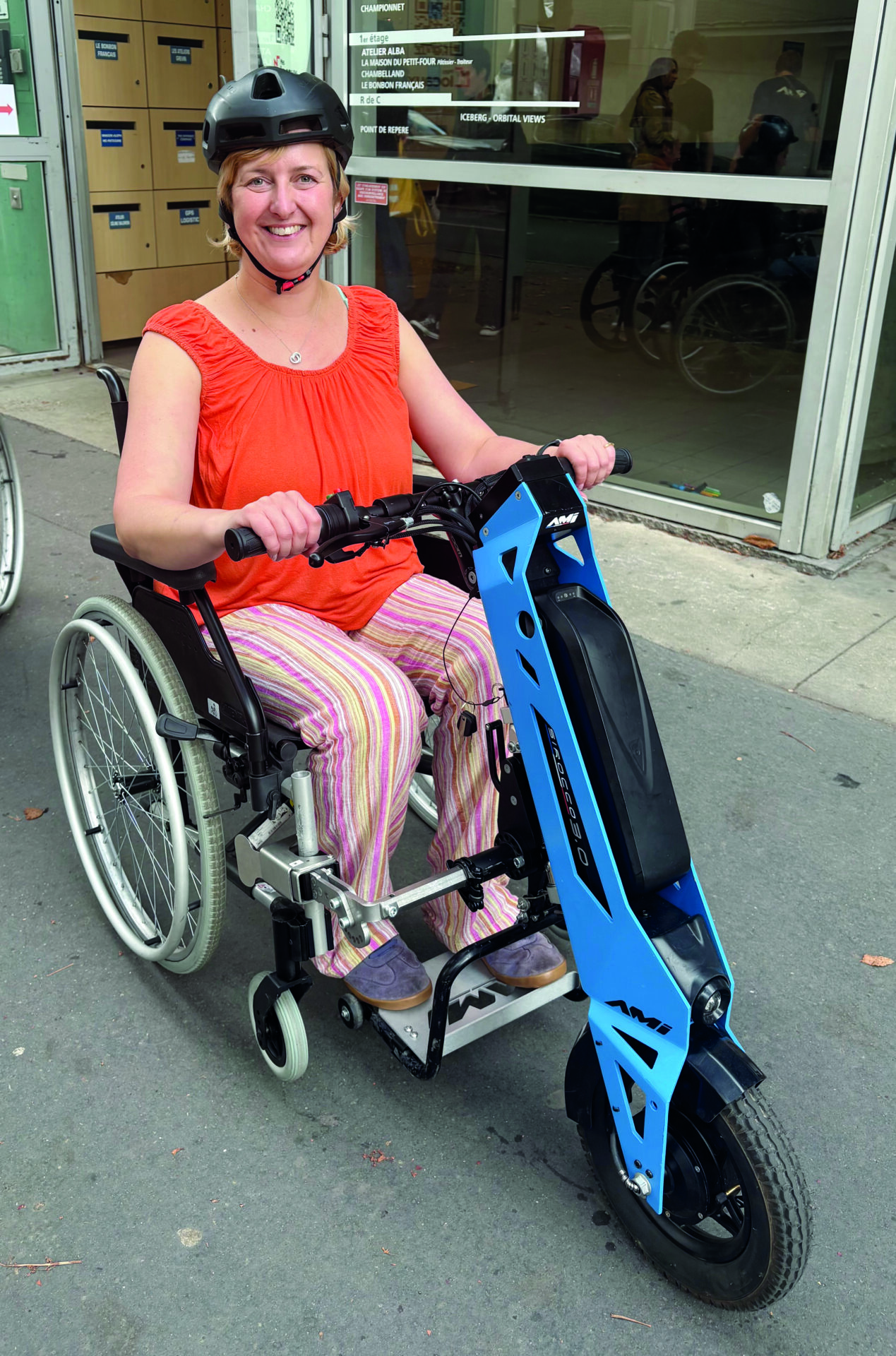
Paris is known as being a ‘walkable’ city, with many attractions located fairly close to each other. A motorised wheelchair or scooter will be super helpful, or make use of Citymapper or Google Maps to help you negotiate public transport. I tried out Omni’s electric scooter wheelchair attachment (omni.community). These were for hire during the Paralympic Games, and are available to buy in France. I loved the freedom of being able to whizz along a cycle lane next to the Seine.
DINER’S DELIGHT
France is known for its amazing gastronomy, and there are several restaurants in Paris offering training and employment for disabled people while also serving up incredible food. First on my list was Café Signes (esat-france.eu/le-cafe-signes), which is staffed by a team of deaf or hearing impaired people. Patrons can request their meal by pointing at the menu or by using sign language (each menu features sign language letters). The system reverses the usual dining experience for a hearing person, which – along with the food – made for an enjoyable lunch.
In the evening, I headed to Dans Le Noir (paris.danslenoir.com), an immersive dining experience. Diners are led into a pitch black restaurant (let them know your mobility needs in advance) and served by visually impaired staff. There are no menus (you provide dietary preferences and allergies at the door) so you don’t know what you’re eating until you taste it. It’s certainly worth trying!
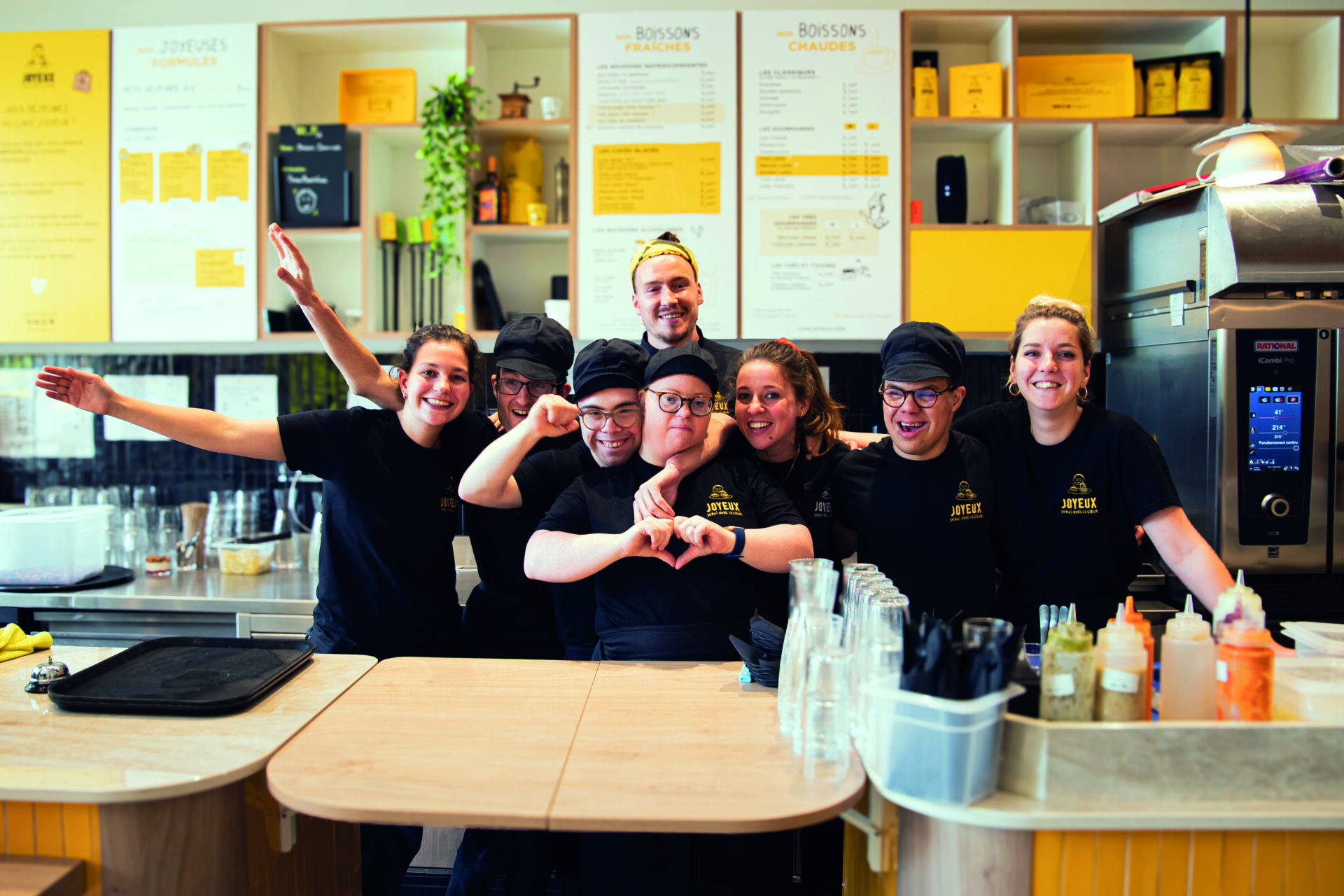
I also had the pleasure of lunching at two eateries staffed by teams of people with learning disabilities. Café Joyeux (cafejoyeux.com) offers training and employment to its staff at branches across France. The cafés are bright, with delicious dishes and amazing coffee (they have their own roastery). Staff member Alphonse told me: “I love working here because the clients are nice.” Les Petits Plats du Maurice (lespetitsplatsdemaurice.fr) is an inclusive, organic neighbourhood restaurant and social project providing training, employment, and accommodation for its staff in a friendly environment – it’s worth a visit for its fresh, affordable menu du jour.
CULTURE VULTURE
You can’t go to Paris without experiencing its world-renowned culture. Le Petit Palais was first on my list. With free entry, it has a huge range of art, sculpture and objets d’art, and – like the city’s other major galleries – accessibility has been given serious thought here. The tactile tour (book in advance) offers touchable, textured canvases depicting a Monet piece, specially blended scents designed to capture the atmosphere of a painting, and tactile books so visitors can explore major artworks.
I also headed to Le Chaillot, the national theatre of dance. Although the gorgeous art deco building houses a rabbit warren of lifts and escalators, staff are on hand with access support, and I borrowed (free of charge) a special vibrating vest to enhance my experience of the performance. Many productions offer audio described shows, Braille and large print programmes, induction loops, and tactile and audio described tours of sets.
WEARY TRAVELLER
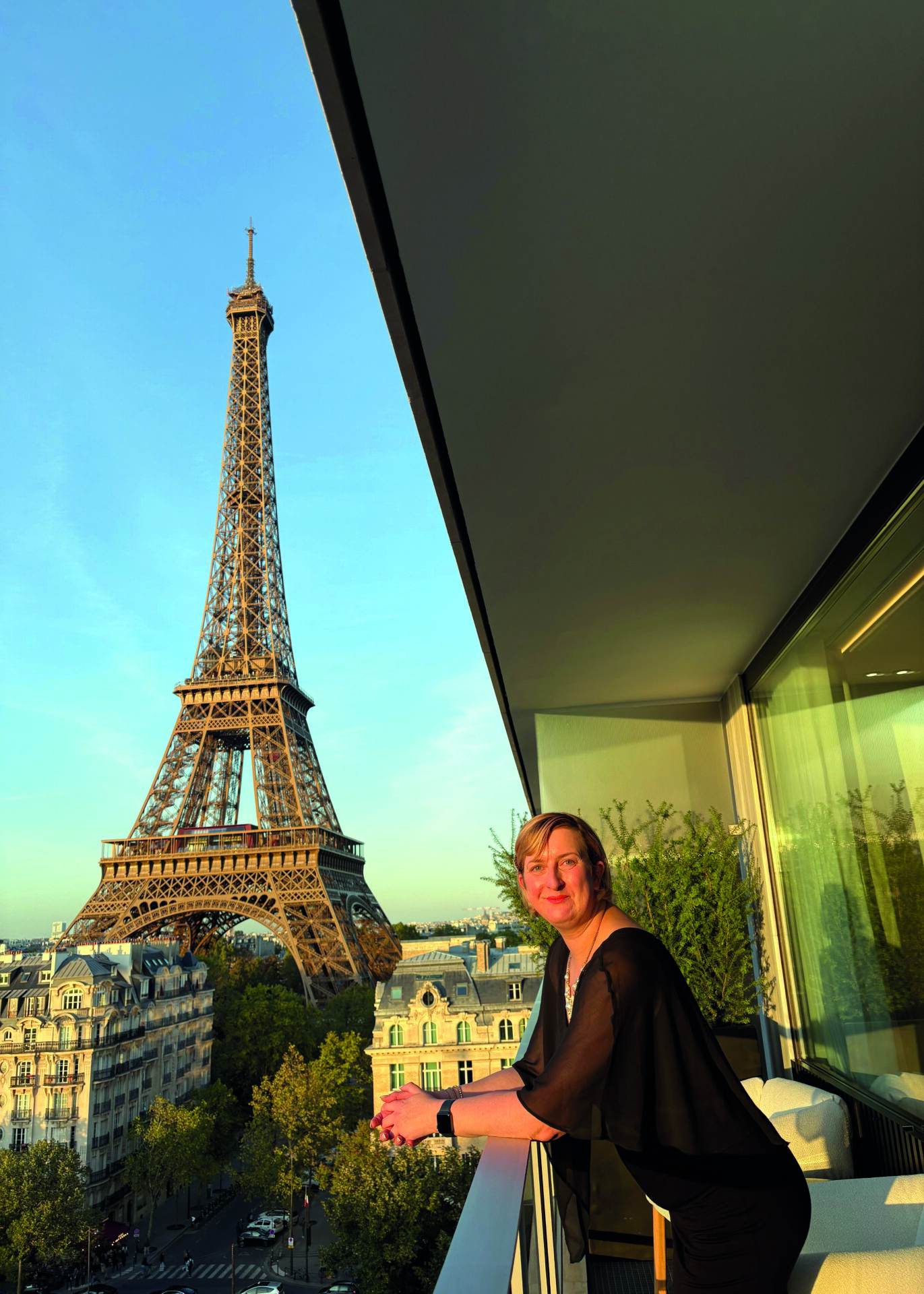
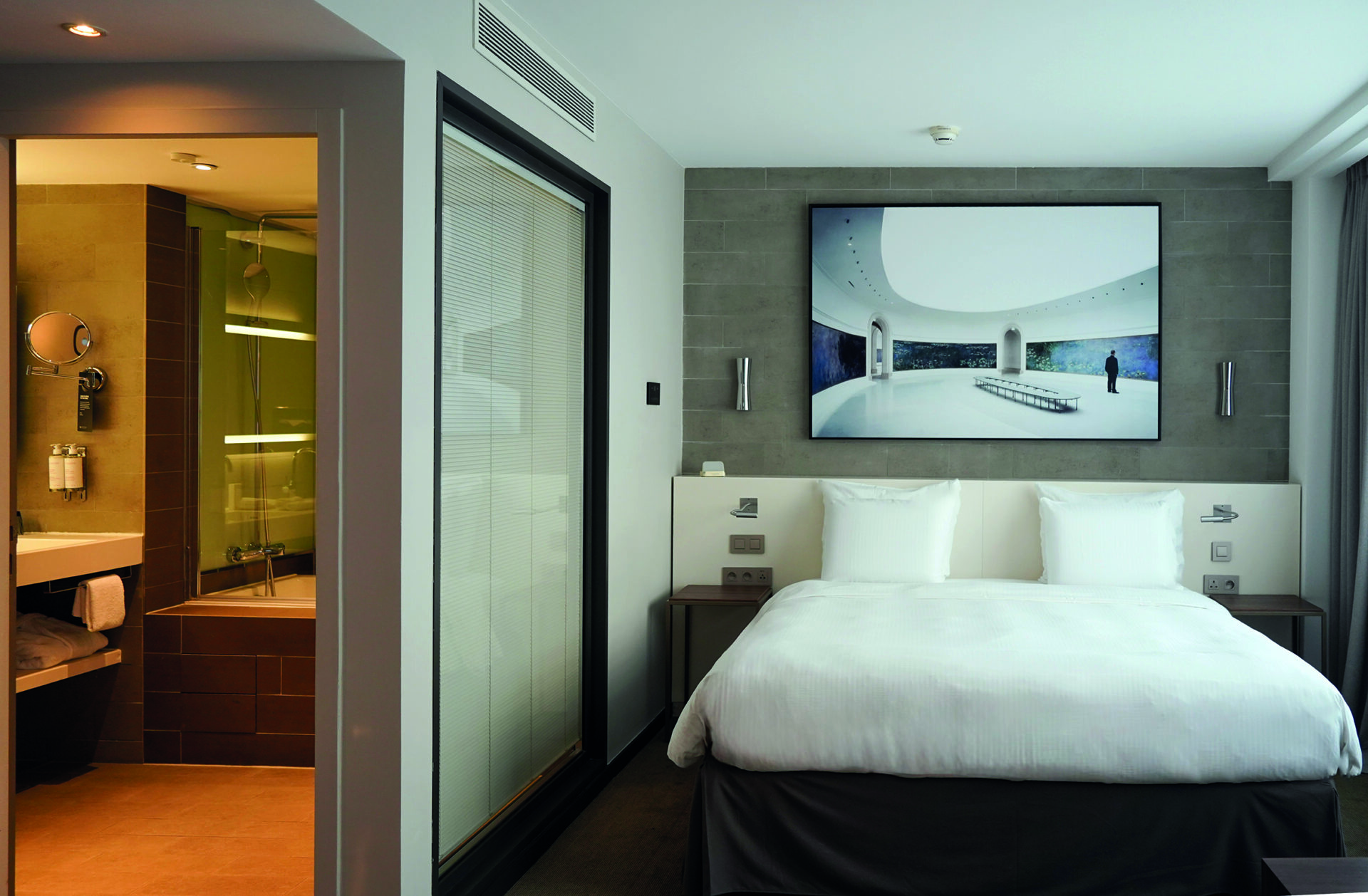
A comfortable, accessible hotel room was just what I needed after busy days around the city. The Pullman Paris Tour Eiffel (pullmanparistoureiffel.fr) was spectacular, with friendly staff, amazing food, and gorgeous décor – not to mention the incredible views of the Eiffel Tower!
Corinne Menegaux, Managing Director of Paris je t’aime Tourist Office, explained to me that staff training at this hotel, along with many other hotels and attractions across Paris, has helped ensure disabled people feel welcome in the city. She said that – in a historic city where 100% accessibility is impossible – offering a diversity of accessible accommodation options across budgets is really important.
And that’s what I took away from this trip. Parisians are working hard to ensure their beautiful city is as accessible to as many visitors as possible – whether that’s showcasing and supporting the development of disabled people in employment, offering inclusive tours of the city’s many attractions, or simply offering a smile and open welcome to everyone.
J’ai trop hâte de retourner à Paris!
TOP TIPS
Book ahead: Whether it’s a gallery or a restaurant, book in advance to ensure you don’t miss out and that the venue can meet your needs.
Early start: Many attractions are a lot quieter on weekday mornings. Get to your destination before or at opening time to enjoy the calmest, quietest experience.
Before you go: Download the Paris je t’aime app before you leave, explore its accessibility options, and check out the best places to visit that will accommodate your needs.
Quick stop: Opt for a bus tour (level access is not available at every stop) or an accessible river cruise to see as much of Paris as possible. An evening trip on the Seine to watch the Eiffel Tower sparkle (on the hour, every hour after sunset) is a once-in-a-lifetime experience!
Mind your language: French terms for disabled people can include ‘handicap’ and ‘invalide’. It might sound strange to British ears, but it’s part of the language and people-first language is definitely becoming more of a ‘thing’.