
World Menopause Day takes place on 18 October – but for disabled women and people living with long-term health conditions, recognising the menopause can be complicated
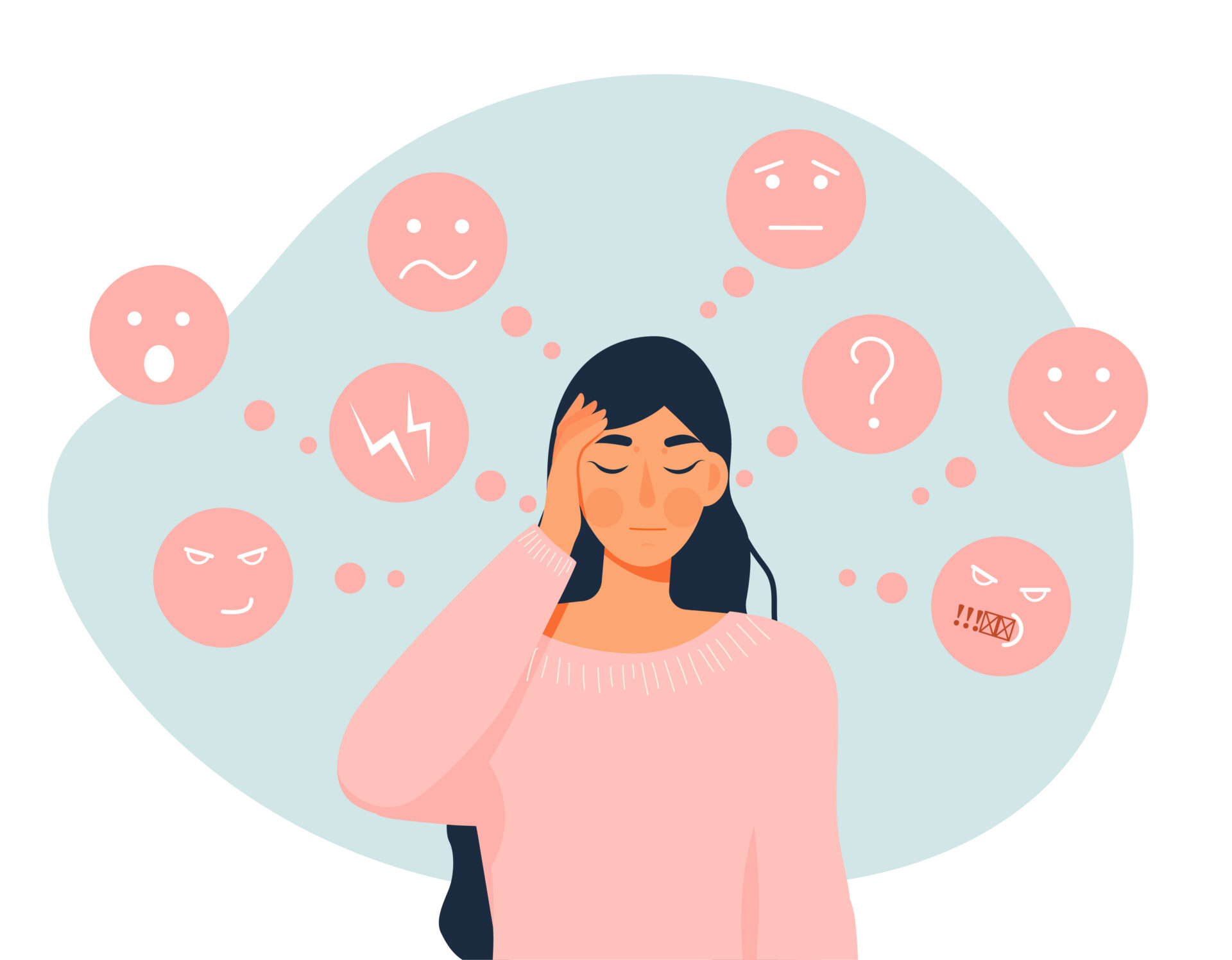
Hot flushes. Night sweats. Irregular periods. We tend to think we know what menopause looks like. But the reality can be much messier – particularly when you already live with a disability, chronic illness, or neurodivergence.
For some women and people born with ovaries, menopause symptoms – caused by a reduction in estrogen and testosterone levels – can be mistaken for their existing condition. For others, menopause symptoms can make an established disability much harder to manage. And sometimes, the hormonal changes of perimenopause can bring previously hidden symptoms – including those of ADHD – sharply into focus.
MANY SYMPTOMS
Menopause (which is medically determined when it’s been 12 months since your last period) and perimenopause (when there are symptoms of menopause, but periods haven’t yet stopped) can cause a surprisingly long list of symptoms. These might include fatigue, sleep problems, anxiety, low mood, brain fog, headaches, palpitations, muscle and joint pain, changes in weight, and urinary problems. Symptoms can fluctuate, and start years before periods stop… Plus they may even continue afterwards!
For someone who’s already living with a long-term condition, menopause symptoms can create a frustrating problem: what is causing what?
WHAT’S WHAT?
If you already experience fatigue because of ME/CFS, for example, an increase in exhaustion might make you think your condition is getting worse. Intensifying joint pain could be attributed to arthritis. Poor, broken sleep might be blamed on chronic pain. And forgetfulness, difficulty concentrating and struggling to find the right words can be symptoms of menopause – but they can also be associated with many neurological, psychological and long-term health conditions.
Sometimes, of course, there’s no single – or simple – answer.
SUCH A PAIN
For people living with chronic pain, there can be another layer to the story. Hormonal changes during perimenopause may increase pain sensitivity in people who already have a long-term pain condition.
What’s more, according to Dr Lucy Ward, Consultant in Pain Management at the Royal Free Hospital in London, common menopause symptoms can: “appear very similar to musculoskeletal pain or symptoms of fibromyalgia.” Poor sleep, fatigue and mood changes might then add to the impact on quality of life.
In other words, menopause doesn’t necessarily replace your existing symptoms – it can pile more on top. That can be exhausting, both physically and emotionally.
And, if you’ve spent years developing strategies and figuring out medication to manage your condition, it can be scary to suddenly find that those things aren’t working as well as they used to. You may feel as though you’re going backwards, when your body is actually going through a big transition.
IS IT ADHD?
For some, this big transition has another effect: unmasking or even intensifying the symptoms of a lifetime of ADHD.
As estrogen levels drop, this impacts the brain systems involved in attention and dopamine, so some women report worsening difficulties with concentration, working memory, organisation, emotional regulation and motivation. Suddenly, the diary systems, routines, lists, and sheer effort that used to help hold everything together aren’t enough. Someone who’s always been able to juggle work, family, and everyday life may find themselves overwhelmed by tasks that previously felt manageable.
All of that can lead to a surprising revelation: perhaps it’s not just menopause. For some women, investigating the changes that come during perimenopause ultimately leads to them seeking an ADHD assessment and diagnosis.
Not every episode of brain fog or forgetfulness means you have ADHD and, equally, menopause symptoms shouldn’t automatically be blamed for every cognitive change. So if something feels new, persistent or significantly different, it’s worth discussing it with your GP or healthcare professional.
BIG IMPACT
Menopause symptoms can have a major impact on daily life, relationships, social life and work. Research by the Chartered Institute of Personnel and Development showed 67% of working women aged 40 to 60 who experienced menopause symptoms reported that the symptoms had a mostly negative impact on them at work.
Menopause is not a specific protected characteristic under the Equality Act 2010, so it’s not classed as a disability. But, according to the Advisory, Conciliation and Arbitration Service: “If an employee or worker is put at a disadvantage and treated less favourably because of their menopause symptoms, this could be discrimination.” That means if the symptoms that come with your experience of perimenopause – like anxiety, memory loss, or fatigue – meet the legal threshold for a disability, employers have a legal duty to implement reasonable adjustments to accommodate your needs.
LISTEN TO YOUR BODY
If you’re in midlife and have noticed your symptoms have changed, become more severe, or started affecting your ability to work, socialise, sleep, or manage everyday life, it’s worth booking an appointment with your GP to discuss what might be going on. Don’t be embarrassed to talk about personal issues like vaginal dryness, bladder problems or changes in sex drive, which are recognised menopause symptoms. You deserve support with every aspect of your health.
Menopause is a natural life stage, but that doesn’t mean you have to put up with symptoms that are making life harder. For disabled women in particular, recognising the menopause can be the first step towards understanding why a familiar condition suddenly feels unfamiliar – and getting the right support to make life manageable again.