
Carers Week takes place from 8 to 14 June this year, with a focus on building carer-friendly communities. We speak to carers to learn more about their support networks
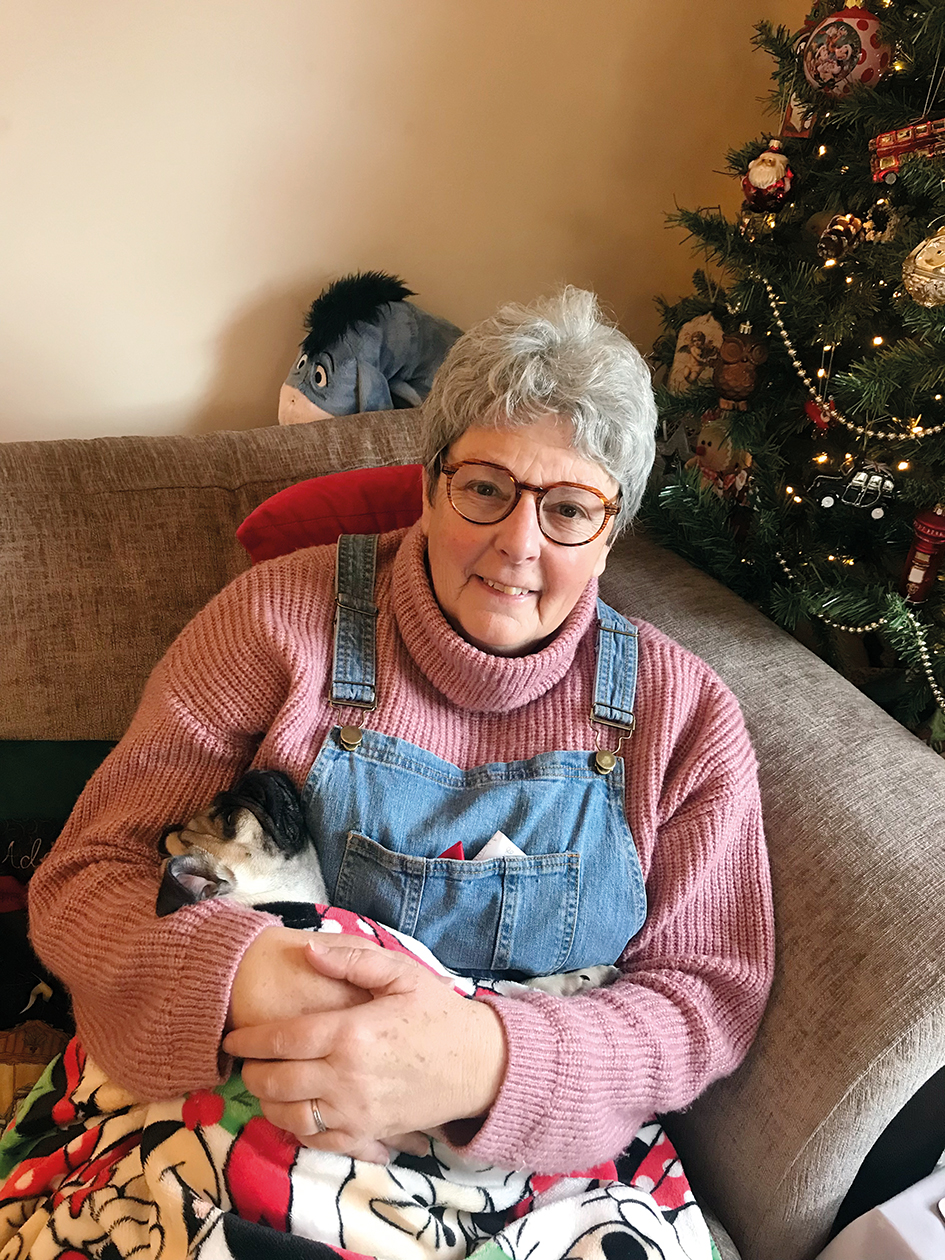
“I’ve made my own community” – Liz’s story
“I cared for my husband until he passed away last year. Two of my adult children have physical disabilities, and our granddaughter, who’s 27, is autistic and dyspraxic. I’m a full-time carer.
“ While I was in hospital with my husband, no one asked if my disabled children needed help with anything. But why would they? They’re so wrapped up in their own lives. Carers get forgotten. So I’ve made my own community – I’m a member of four different churches, and I send out a morning prayer every day to 200 different people and organisations. I work within my church to raise awareness of carers’ needs.
“I help people fill in PIP forms and benefits applications, I’ve helped set up a community café, I signpost people to places that can help their particular situation. I never stop. I get into trouble for that, because I’m a giver and I’m not very good at letting people take care of me. I do have one friend who I met at church years ago who is absolutely brilliant, she takes me out once a month. One church prays for us every week and, when my husband died, one of the elders at the URC church helped us financially as well.
“I think every community could do better. They could acknowledge the stress and mental load that carers face. Not just physically – physically it’s hard, but it’s nowhere near as hard as the mental strain. And when they see a carer they could ask: ‘Would you like a coffee?’, or they could just drop a cooked meal on the doorstep.
“If I didn’t have a faith, I don’t think I’d be here. Whether through church, or through online or real-life groups, carers need to find their communities too. We need to be there for each other: it opens your eyes and makes you more aware of other people’s struggles.”
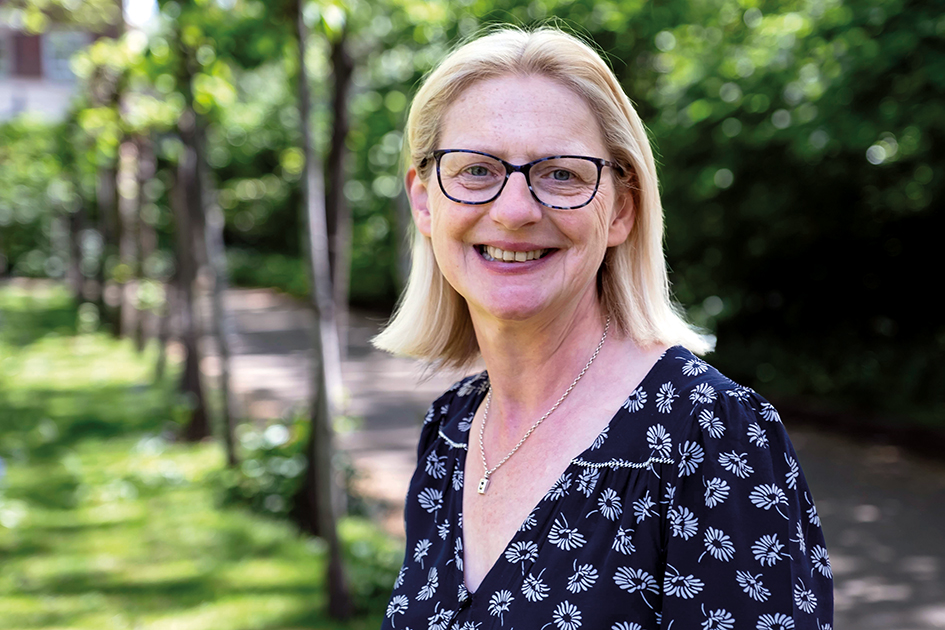
“Understood, Valued and Supported” – Helen Walker, Chief Executive at Carers UK
“A truly carer-friendly community is one where caring is understood, valued, and supported as part of everyday life. This means that neighbours, employers, schools, and local services recognise what caring involves and respond with empathy and flexibility.
“Small, everyday actions can make a meaningful difference to carers’ wellbeing and their sense of belonging. This includes checking in, offering practical help or simply showing patience and understanding.
“In the workplace, carers need an inclusive culture, supportive line managers and policies that enable them to balance responsibilities at home with those in employment. Within health and social care settings, professionals should work with carers by involving them in decisions, communicating clearly and avoiding unnecessary stress caused by poor coordination or inflexible systems.
“Support should also be easy to find and access, whether that’s respite care, financial advice, or peer support, so carers are not left searching for help when they’re already under pressure. Together, these things send a clear message that carers are recognised, valued and included in their communities, encouraging them to seek support openly and confidently.”

“We’re Stronger Together” – Yvonne’s Story
“I’m mum to Amali, who’s 26. She’s autistic and has a learning disability. 23 years ago, my best friend Lynn came to me with a problem. Her daughter, Leanne, had a learning disability and could see her cousins going out, putting their makeup on, going to discos. Leanne said to her mum one day: ‘I want to be able to do that, but there’s no way for me. I can’t go to all these amazing places. I’d rather be dead. Lynn was shocked. She said to me, ‘We’ve got to change this. We can’t go on like this’.
“To cut a long story short, we set up Better Action for Families (BAFF), here in Leeds. We offer a wheelchair exercise group, relaxation, boccia, a walking group, and outings to the coast three times a year. We have our own allotment and, each week at our global family food day, our families use food from the allotment to cook vegetarian dishes from their home countries, like Estonia and Poland.
“We don’t close our doors to anybody. Different, not less – that’s what we believe. Whether you’ve got behavioural issues, mobility needs; whatever you come with, we’re here to help you.
“We host a quarterly Carers’ Reference Group to steer BAFF in an effective way and make sure everyone’s voices are included. Our work is vital: if a carer has a question and we don’t know the answer, we signpost them to somebody who does. Word of mouth is important too – carers know they can come to us, and their loved one will have fun and they’re not sitting at home.
“A lot of carers feel really isolated. Some of our people just sit on the side and don’t join in – and that’s absolutely fine. But they come back. Because if you make it fun, they’re going to come back.
“Lynn passed away suddenly last year. But she always used to say: ‘We’re stronger together’. That’s at the back of my mind all the time.”