
Enable reader Nadia Bousseau shares her feelings on the importance of volunteering
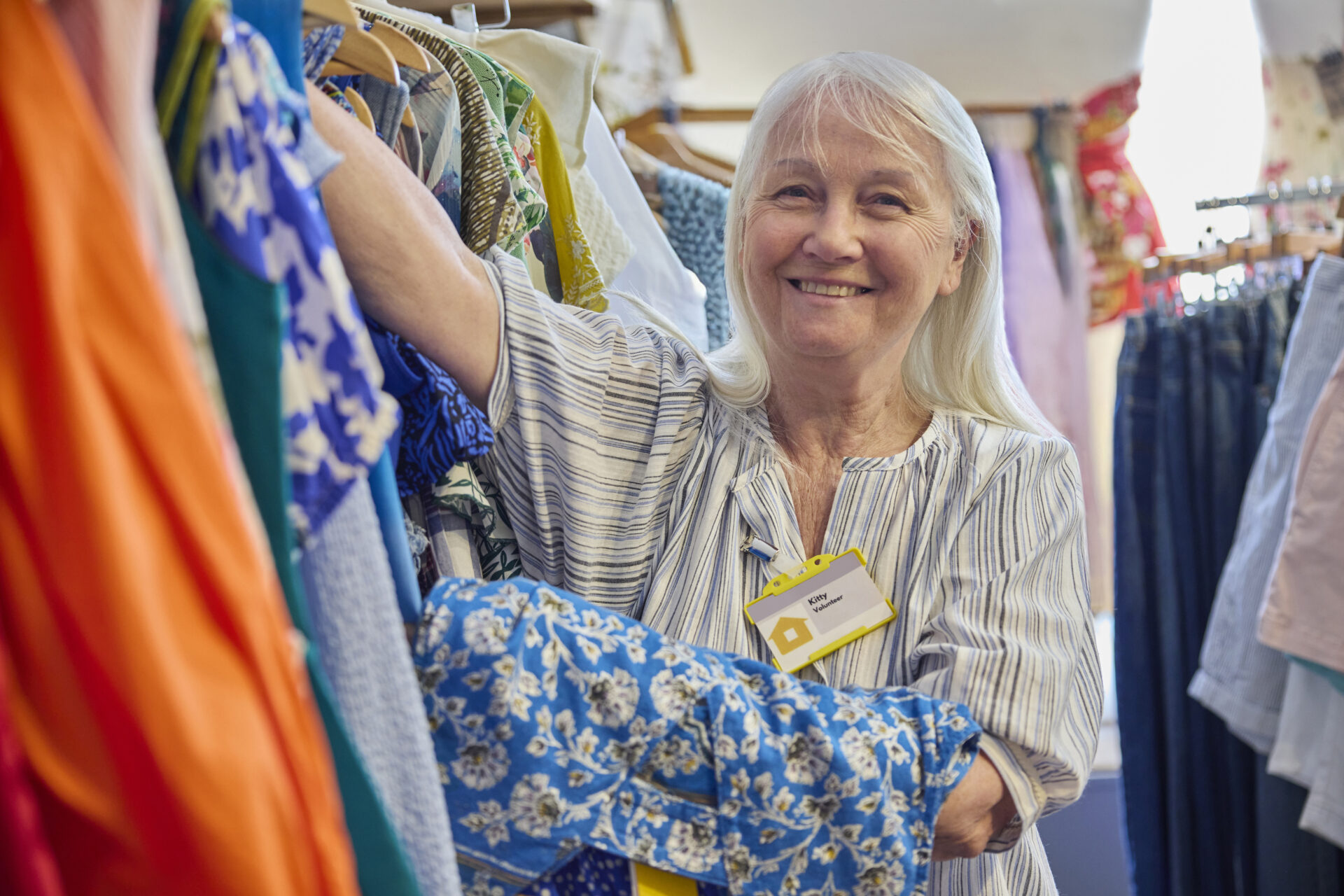
‘Dugnad’ is a beautiful Norwegian word, meaning voluntary work done together with other people. After all, volunteering was never meant to be done on an individual level, but as part of a collective. It’s for everyone, so it should never be anything less than inclusive. It makes sense that volunteering opportunities – whether they’re in a charity shop, at a business premises, or carried out from home or in the great outdoors – should embrace diversity and inclusion, in the same way as any workplace or employer.
SENSE OF PURPOSE
There are many people who are unable to work for health or other personal reasons, so volunteering – particularly for disabled people – gives meaning and a sense of purpose, by making a positive contribution to society.
For those looking to start or return to work, volunteering allows them to learn new skills, as well as gain experience and confidence. A volunteer may not even be looking to do paid work, but volunteering often opens up opportunities to move into a paid role, or get involved in other volunteering projects.
I have seronegative arthritis, and spent seven years volunteering as a fundraiser for Arthritis UK. I wanted to give something back to the charity that had funded vital research into treatments that have enabled me to be able to work and do the things I enjoy, particularly running.
IN ALIGNMENT
Volunteering doesn’t have to be limiting – you can volunteer in more than one volunteering role, or in different organisations that align with your beliefs and values. At the same time as volunteering with Arthritis UK, I wanted to use my existing skills – I trained and worked as a linguist and copywriter – to help others. I spent a few years volunteering as a proofreader for an online platform that helped grow community through the gift economy, because it aligned with my values.
TAKING PRIDE
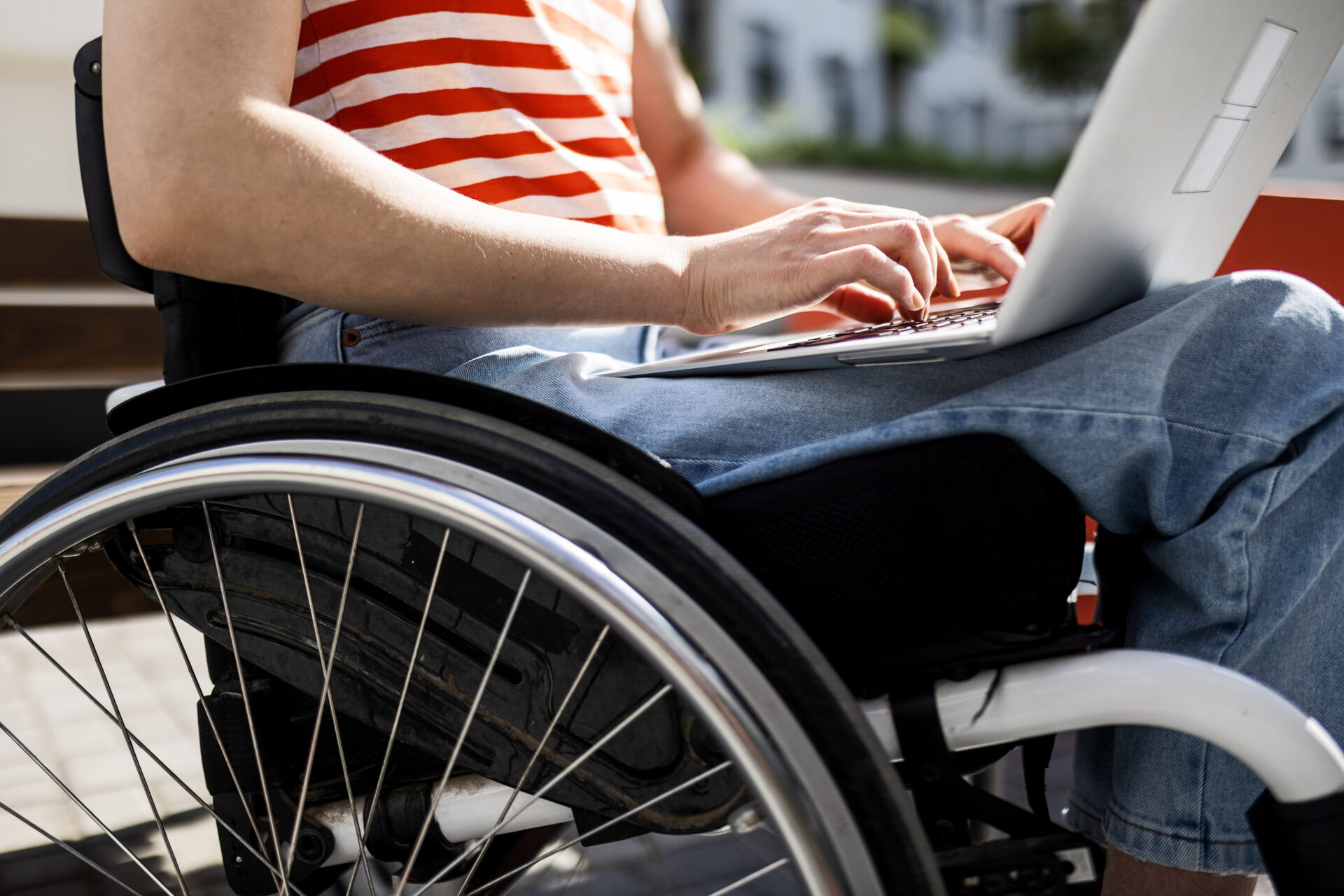
There’s a wonderful man who volunteers in our local Oxfam Shop. He’s there every Thursday, looking very dapper and always dressed in a smart suit. He has a physical disability and speech impairment.
The man is polite and welcomes every customer. He’s in charge of taking payments and sits by the till. It’s obvious that reasonable adjustments have been made to his voluntary role, as he’s well supported by another volunteer in the shop – they’re not just colleagues, they’re clearly good friends. If he needs any assistance, his friend simply steps in and helps him.
What stands out to me is that this smart looking man takes so much pride in volunteering. He looks really happy. For me, this encapsulates the heart of ‘dugnad’: two volunteers working together and supporting each other.
Under the terms of the Equality Act 2010, everyone has the right to request reasonable adjustments to enable them to access society – whether that’s going out for a meal, doing a job, accessing public transport, or carrying out a voluntary role [although volunteers aren’t protected by employment legislation, as they’re not contracted employees]. So if you need a work phone with Bluetooth to connect to your hearing aids so you can hear effectively, don’t be afraid to make this request to the organisation or business you’re volunteering with. Similarly, if your keyboard hurts your fingers, make sure you ask for a soft touch keyboard.
DON’T BE SORRY
Never apologise for requesting any reasonable adjustment. I know I’m guilty of saying ‘I’m sorry to bother you, but I need X, Y and Z’. The fact that standard equipment is not always suitable for many disabled people is not your fault – it’s a reflection of the ableism we face on a day-to-day basis.
I’m actively trying to move away from saying ‘I’m sorry’ and towards saying ‘This equipment is not suitable for me because of X, Y and Z. I therefore need…’. As I’ve seen in my own voluntary work – and with the lovely man who volunteers in my local Oxfam Shop – voluntary roles can be tailored to suit every individual. That might mean requesting to work specific time slots, fewer hours, or even to work from home if the role allows. You can also skip or reschedule volunteering sessions if you have a medical appointment or are going on holiday – just let your manager know in advance.
There are many remote volunteering roles out there – you don’t need to be in an office to make a difference. You can support an organisation by inputting or analysing data, writing articles, or proofreading as I did, all from the comfort of home.
Public sector organisations and charities are always looking for volunteers. Admittedly, there’s still work to do when it comes to understanding disabled people’s abilities and potential, but there are organisations out there who will welcome you and what you have to offer with open arms – especially given your lived experience – so keep faith and have hope!
Never forget that you are unique and you are amazing. This is why we could all do with being a bit more ‘dugnad’.
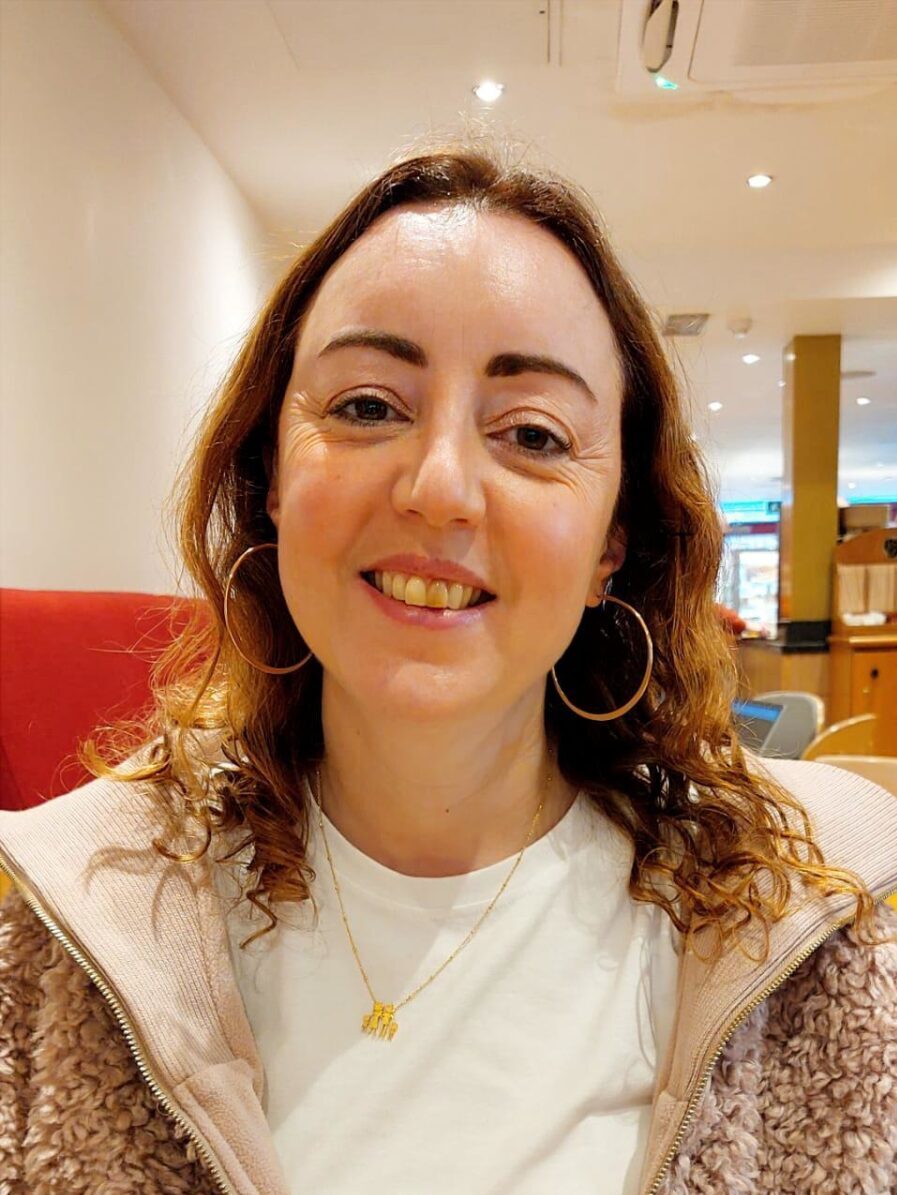
ABOUT THE WRITER
Nadia works in the healthcare sector. She’s passionate about volunteering, particularly supporting people with disabilities to volunteer. Nadia has three long-term conditions and is deaf.