
As Being Heumann arrives on screens, actor Ruth Madeley and director Siân Heder sit down with Enable’s Editor, Melissa Holmes, to discuss the disability rights icon who refused to be forgotten
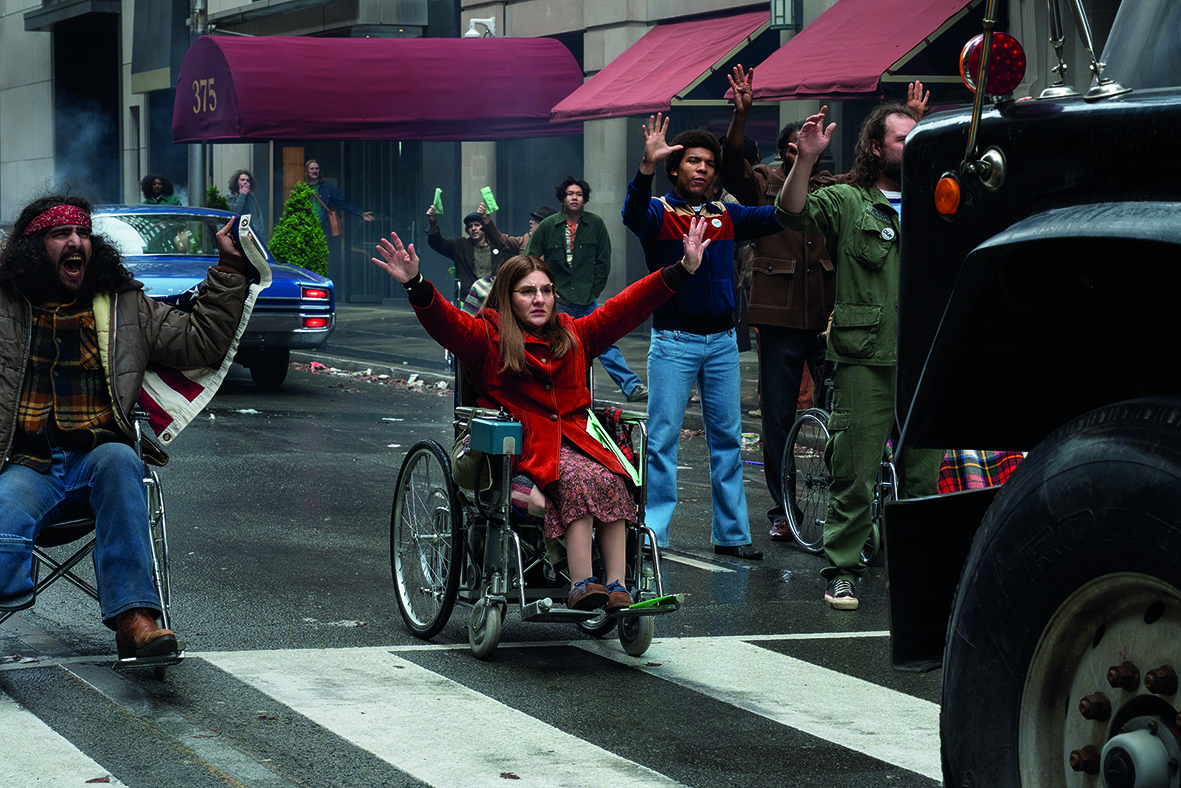
Judy Heumann was many things at once. A campaigner who shut down traffic in midtown Manhattan. An unrepentant, unapologetic changemaker. Someone who needed help getting to the toilet in the morning, and who laughed about it. For director Siân Heder and actor Ruth Madeley, capturing all of that on screen was a creative challenge and a huge responsibility. “I think Judy was very funny,” smiles Siân. “She was incredibly warm, yet super intimidating.”
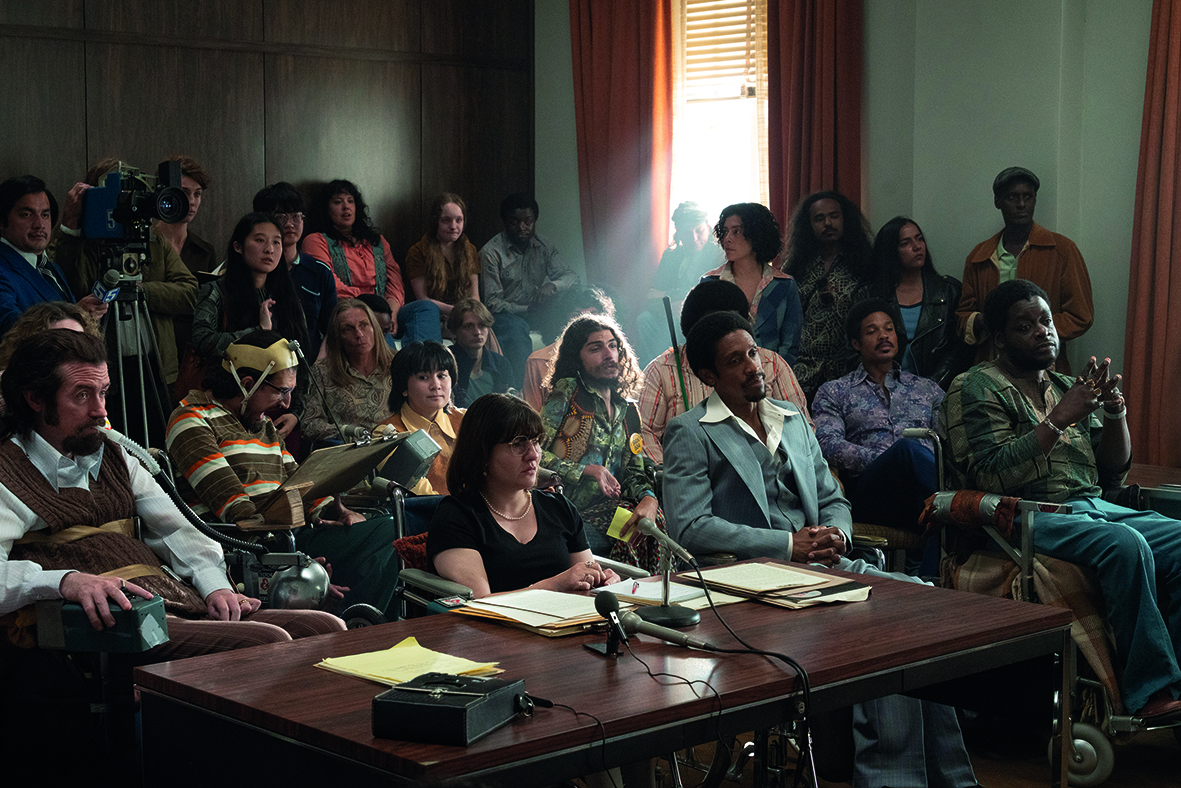
Heumann, who died in 2023, was one of the most influential disability rights activists in history. She was a leader of the 504 sit-in of 1977, when disabled protesters occupied a federal building in San Francisco for nearly a month, leading to Section 504 of the Rehabilitation Act of 1973 being given real legal power.
LIVES ON THE LINE
“The fact that Judy’s story hasn’t been put on screen yet astounds me,” says Ruth. “People put their lives and their bodies on the line to make sure that we are where we are. I’m only doing this now because of the work of people like Judy Heumann.”
For Oscar-winner Siân, who also co-wrote the film, the creative process meant resisting the urge to sanitise Judy’s story. “One woman told me she was more scared of Judy than she was of the FBI,” she recalls. “Creating Judy in all of her rich messiness, and revealing her flaws as well as her strengths, was really exciting for me.”
Ruth felt the weight of the role. “The complete pressure,” she gasps, “but what a privilege to be able to help elevate awareness of her, her work and her story. I was so thankful that Siân trusted me with such a huge responsibility.”
One of the film’s most quietly radical scenes happens early on, showing Judy being transferred from her bed on waking and placed on the toilet by her carer – an everyday intimacy that cinema rarely shows. For Ruth, it was a defining moment.
“I never saw that on screen growing up, not even in adulthood,” she explains. “That moment is so specific, so personal and individual. But the fact that in that moment Judy and her attendant share this laugh – she’s like, ‘Oh, that was close’. That joy, that cheekiness that she brings was just the best thing to be able to play.”
FEARLESS
Siân sees the scene as part of a larger tension in Judy’s life. “When she was in her chair, she was physically fearless,” she explains. “The first scene of the movie, in real life she rolled into the road in midtown Manhattan and stopped traffic for hours. And there was the juxtaposition of her physical fearlessness when she was in her chair, and her intense vulnerability when she was waiting to be transferred.”
Humour is a key part of the story too – Siân was determined to show the full texture of disabled life. “There’s so much humour in the disability community because you’re forced to laugh about the ridiculousness of the world,” she says. “It’s not only a coping mechanism, but it’s a disarming mechanism for other people’s discomfort,” she reflects. “Having to hack the world constantly just to live your life and participate – it’s dark, it’s exhausting, but it also can be funny. A lot of the disabled people I know have a wicked sense of humour.”
The depiction of three-dimensional disabled characters in film – who get to be sexual, complicated, and funny – feels like a rare thing in Hollywood. The casting process was its own act of advocacy, with Siân’s team scouring organisations and social media to cast disabled actors who could embody real historical fi gures. “It was a lot of going out there and trying to find unicorns,” she laughs.
TRANSFORMATIVE
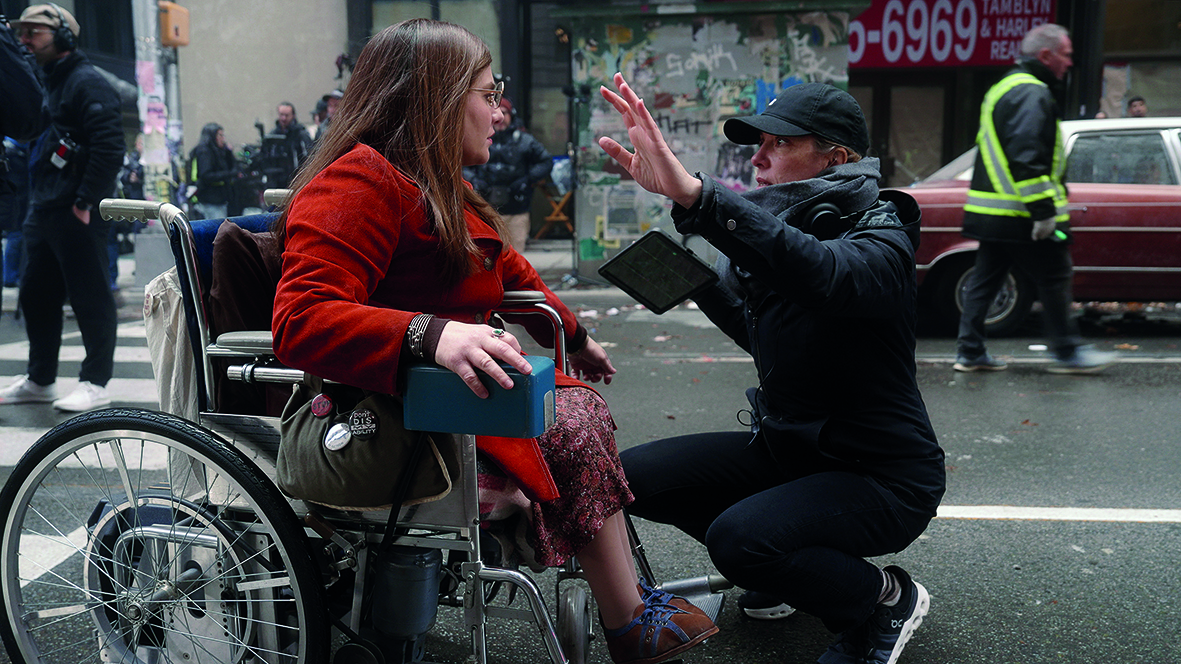
The experience on set was transformative for Ruth. “I’ve spent the majority of my career being the only disabled person on set,” she says. “You often have that added weight of being the spokesperson and the educator on disability. But on this job, I was nothing but an actor because everything else was taken care of. I was able to perform so much better because I wasn’t second-guessing anything.”
As Disability History Month (19 November to 19 December) approaches, both women are acutely aware of the film’s timing. Rights are under threat on both sides of the Atlantic. “We’re in a time where those rights are being rolled back at a very rapid speed, particularly in the US, and it’s frightening,” Siân warns.
But Ruth remains hopeful. “I’m an incurable optimist,” she says. “I’m very proud and aware of how far we’ve come, but I’m also very aware of the baton that needs to be picked up and continued. Judy never settled. The work was never done for her.”
As Siân discovered while writing the film’s ending, Judy Heumann embodied that spirit. She never returned to San Francisco after the sit- in. She stayed in Washington, because there was another fight to win – passing the Americans with Disabilities Act.
“The fight continues,” Siân says, “and probably will always continue on some level. You can’t take your foot off the gas.” Being Heumann is a reminder of why that fight started – and why it should never be forgotten.
FOR MORE INFORMATION
Being Heumann is on release now in selected cinemas, and will be available to stream on Apple TV from 13 November.