
Around six million people in the UK live with the day-to-day challenges of diabetes. We speak to a foodie who’s flying the flag for Type 1 diabetes, raising awareness and encouraging healthy eating choices via her social media platforms

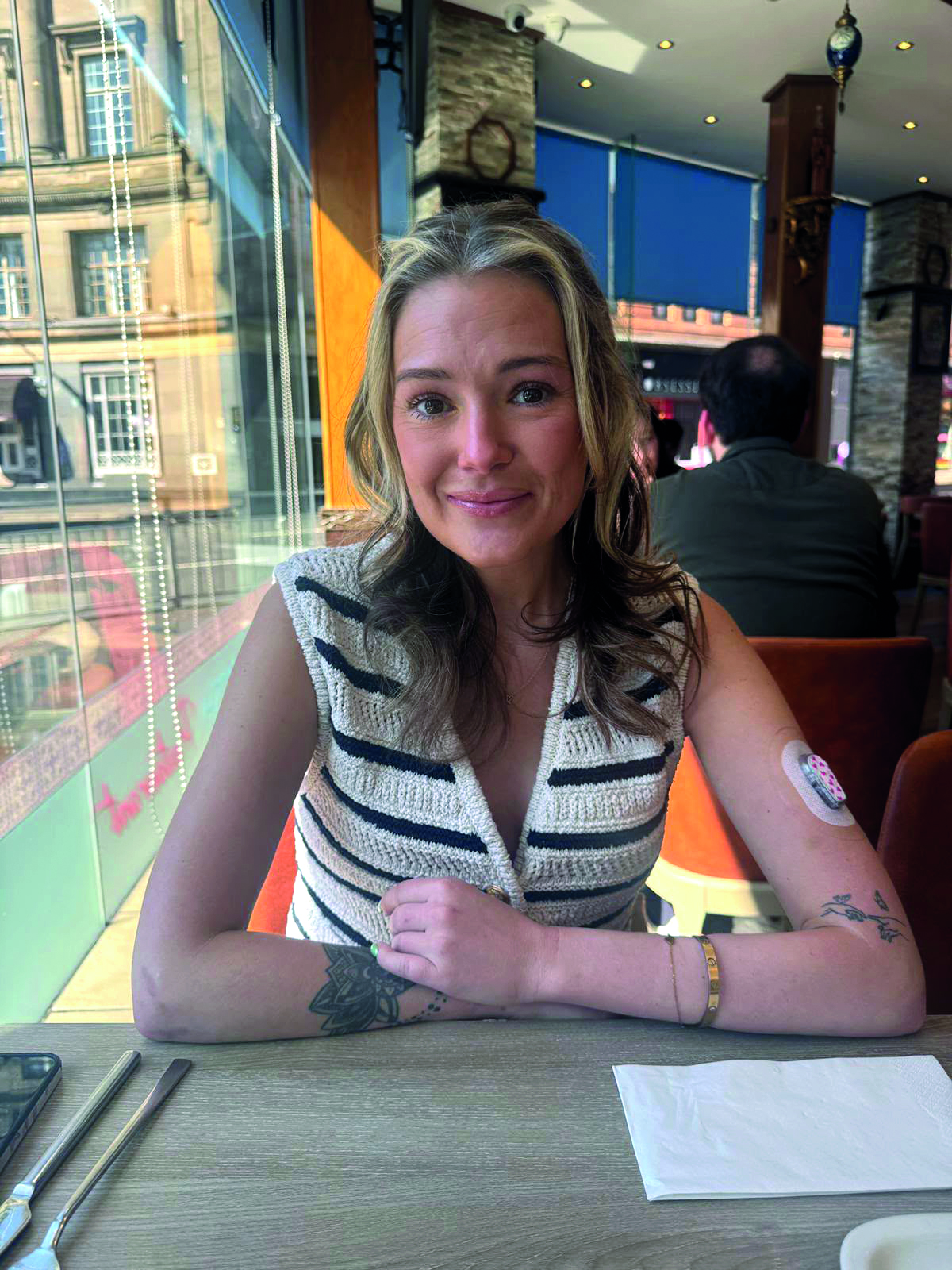
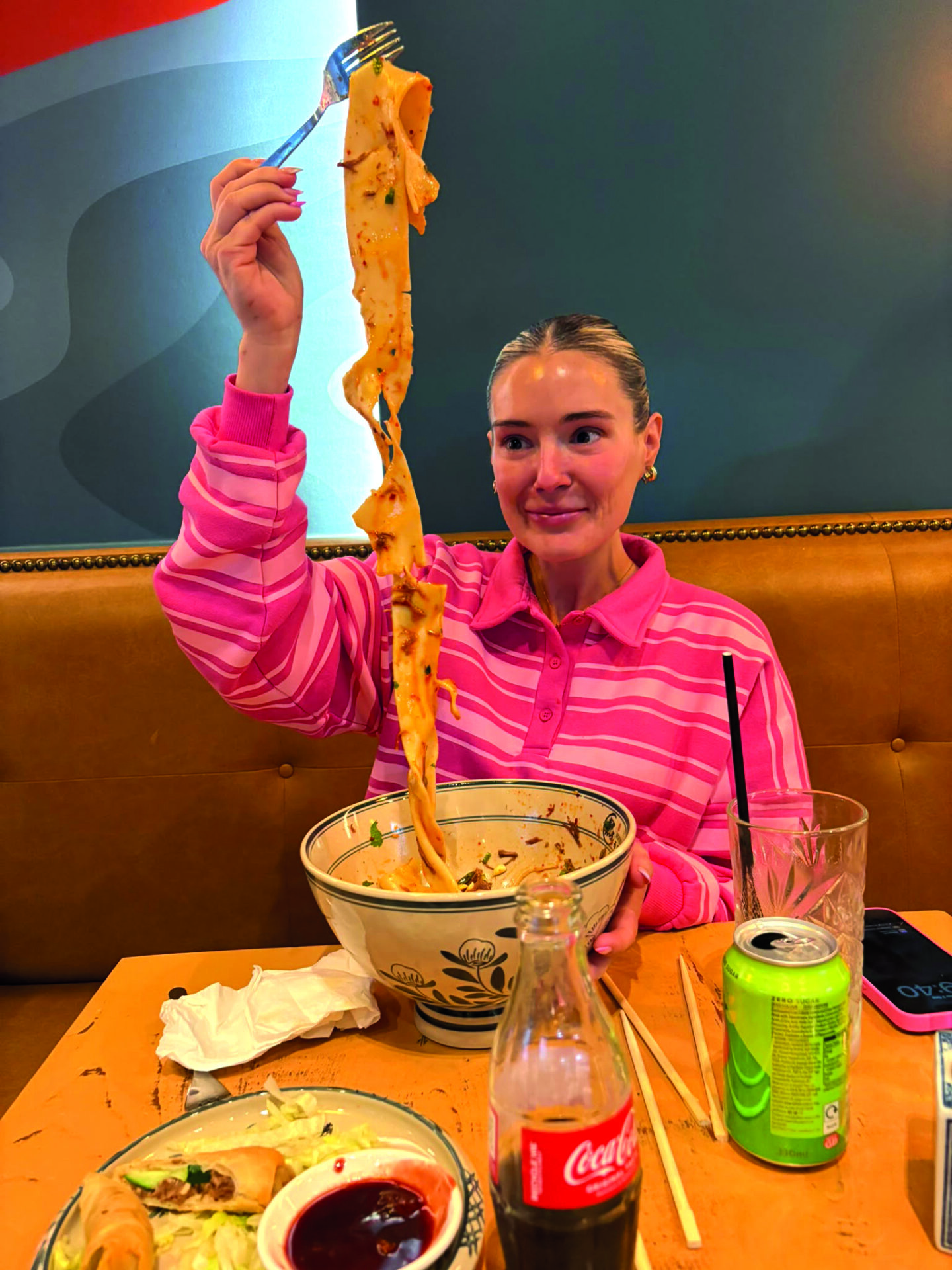
Kimberly Saunders is a rising food influencer and talented home cook, posting across platforms as Kim’s Cuisine. Yet, unlike most Instagram and TikTok foodies, Kim must carefully calculate the carbohydrates in each plate and inject insulin to keep her blood sugar levels stable. For a girl who loves food and sharing her cooking with the world, living with Type 1 diabetes poses daily challenges.
“Having Type 1 diabetes majorly impacts my relationship with food,” says Kimberly. “I love food. I love sharing recipes and sharing my opinions on meals. But when I’m out for dinner there’s always a voice in the back of my mind saying, ‘I hope my blood sugar’s going to react ok to this’.”
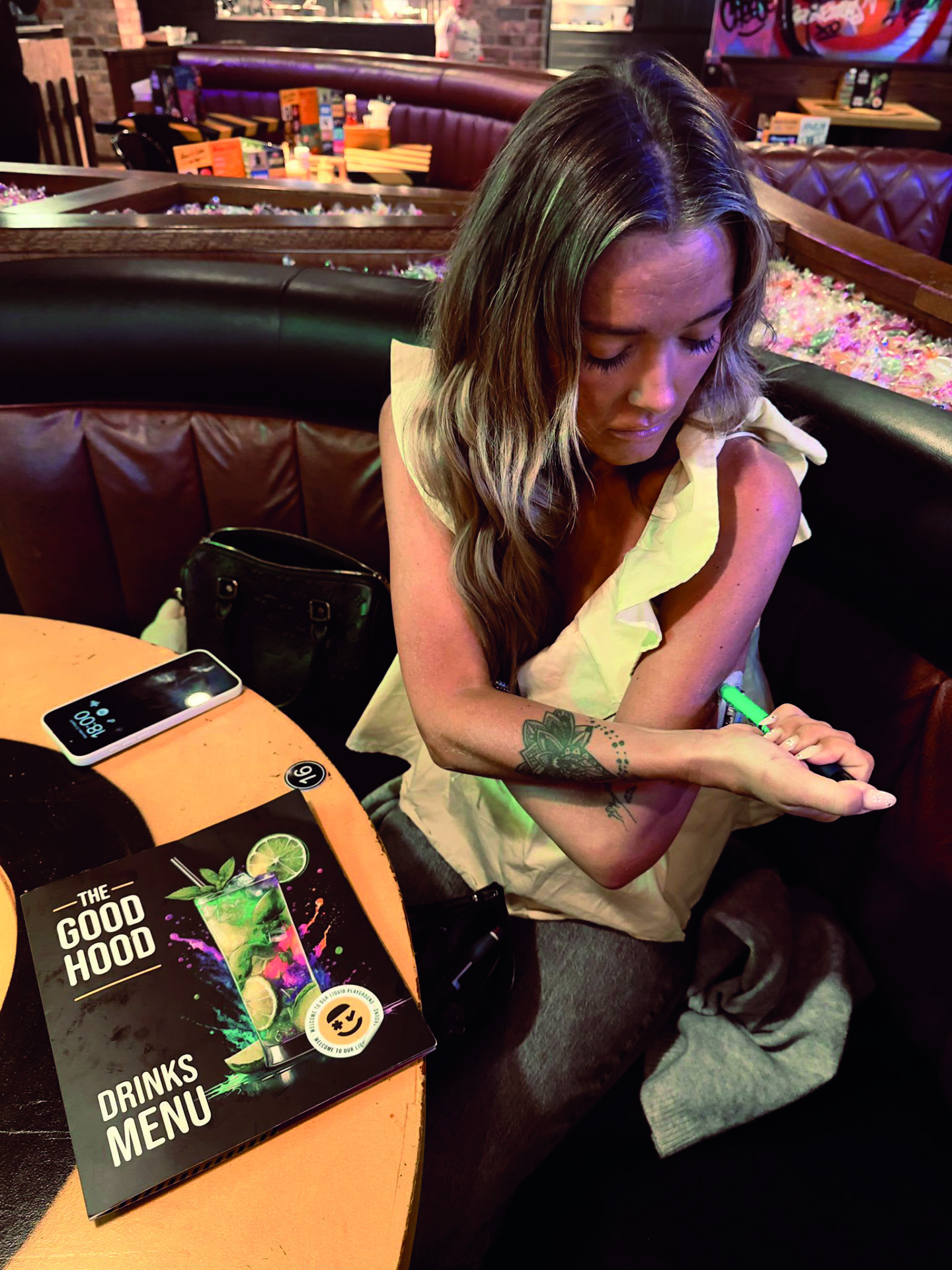
Kimberly’s preference for carb-heavy Italian foods – like penne alla vodka, breads, and rich sauces – is a huge consideration for her health. Starchy carbohydrates break down into glucose during digestion, raising the body’s blood sugar. Kimberly injects insulin every day to regulate this, working to her personal ratio of one insulin unit for every 10g of carbohydrates in her meals.
Although Kimberly can now do her own calculations on sight, many people with Type 1 diabetes rely on insulin pumps to do these calculations for them. “There are loads of apps that allow you to take photos of your meal, then tell you what you should inject based on your ratio,” Kimberly says. “They didn’t have anything like that when I was first diagnosed.”
HEALTH CHANGES
Kimberly was 17 when she started noticing strange, sudden changes in her health. Although normally an attentive student, she felt lethargic and wanted to stay home from school. She was incredibly thirsty round the clock – so thirsty she felt compelled to drink water from her shower spray in the mornings. Combine that with needing to urinate much more frequently, and it was clear Kimberly needed to see a doctor.
She went for blood tests at her GP and was diagnosed after a short spell in hospital. 16 years on, she’s learned to adjust to her condition and is now committed to using her platform to celebrate her love of food and raise awareness about Type 1. Her followers love her home cooked ‘fakeaways’: healthier, more diabetes-friendly versions of popular takeaway options.
“Diabetes impacts my life every day,” she says. “I could prepare the same meal for every lunchtime and inject the exact same amount of insulin. One day it will be perfect and the next day it could go wrong. There’s more than 100 other things that impact blood sugar: body temperature, time of the month, sleep levels. There are so many things people don’t realise are at play.”
Diabetes is a complex condition that can affect people of any age. Although there are several variations, they all stem from the body’s inability to produce or effectively use insulin, the hormone that regulates blood sugar. The main types of diabetes are Type 1 and Type 2. In Type 1, the body attacks its insulin-making cells. With Type 2 (the most common variation), the body either makes insufficient insulin to begin with, or the cells in the body resist it. High levels of sugar in the blood can cause ‘hypers’ – episodes of extreme thirst, frequent urination, fatigue, and blurred vision. Sudden drops in blood sugar can cause episodes of trembling, heart palpitations and dizziness called ‘hypos’.
THE FOUR Ts
Identify the symptoms of diabetes with the four Ts:
Toilet: Frequent peeing, especially at night
Thirsty: Being really thirsty
Tired: Being more fatigued
Thinner: Losing weight without trying
Other symptoms include blurred vision and irritability, which can be confused with other conditions. If you have a combination of the above symptoms, speak to your GP.
DIABETES MYTHS
One of the most common misconceptions around diabetes – and one that Kimberly has faced herself – is that it’s caused by eating too much sugar. Research from Diabetes UK shows that nine in 10 people living with Type 1, and almost three quarters of people living with Type 2, face blame and judgement in their everyday lives because of the high-sugar diet myth.
“Living with diabetes is relentless, and that’s without facing negative comments, shame or even blame for having a health condition,” says Natasha Marsland, Senior Clinical Advisor at Diabetes UK. “Everyone deserves to be supported. Nobody chooses diabetes. And nobody is to blame for it either.”
Keeping on top of appointments and medication can be even more challenging for diabetics who live with disabilities. People with learning or developmental disabilities are up to three times more likely to develop diabetes, and may also struggle to access support in managing their condition. Personalised care plans and support from carers and advocates can help people manage their diabetes safely.
For Kim, the next stage in her journey is building her following and collaborating with more brands. She already works with companies that develop diabetes apps, and a company that makes covers for wearable continuous glucose monitors. She explains: “Even if, from my posts, one person knows what to do if they see someone having a hypo in the street, that makes me so proud.”